ServicesTrailer Interchange Insurance
Trailer Interchange Insurance in Decatur
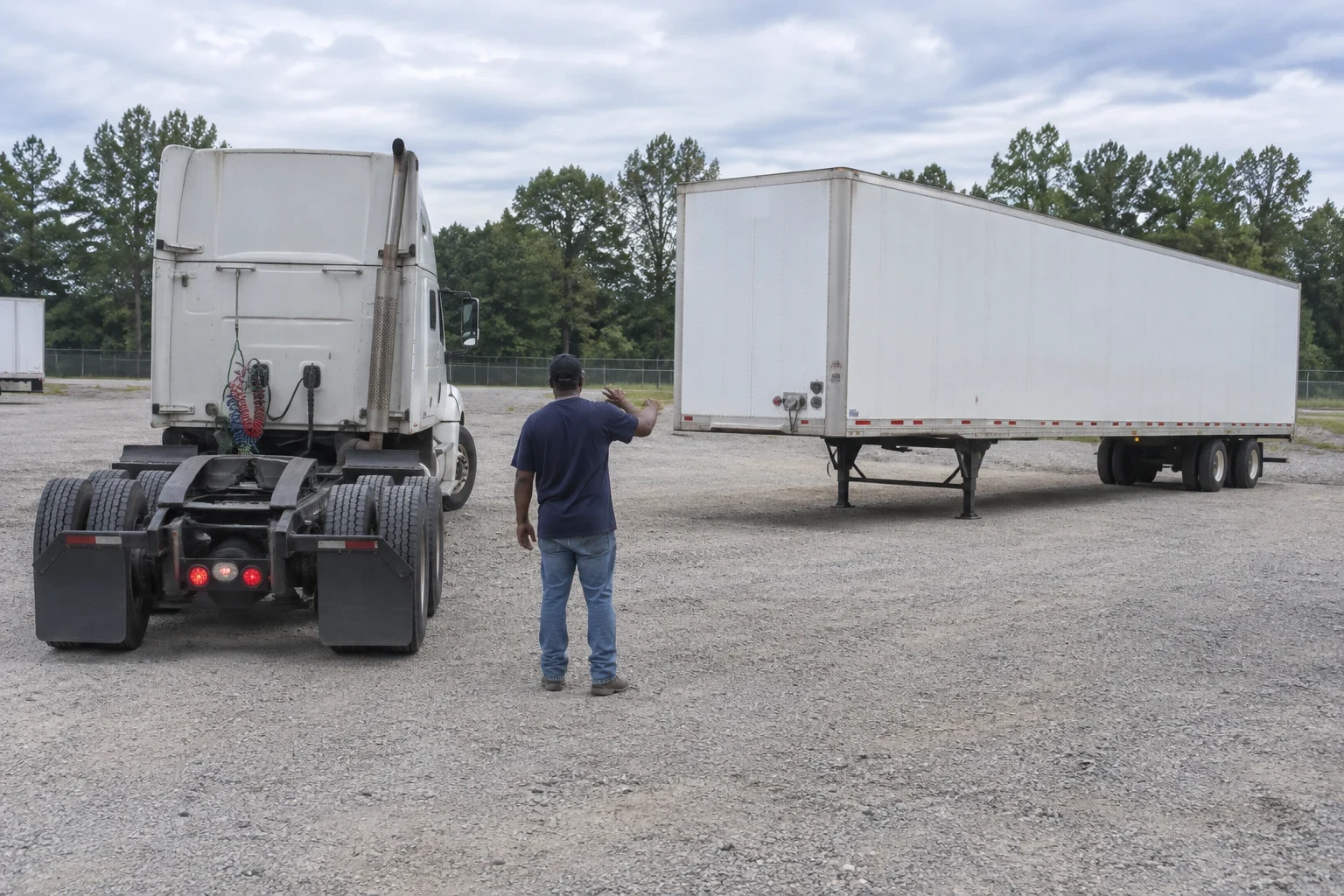
When you hook up to a trailer or chassis you don't own, the interchange agreement usually makes you responsible for it. We set up coverage that matches what you signed, then check back after it's in place so you know what it covers before the next swap.
What trailer interchange coverage does
When you sign a trailer interchange agreement, the trailer or chassis you hook to becomes your responsibility until you drop it. Trailer interchange insurance pays to repair or replace that equipment if it's damaged by a collision, fire, theft or vandalism while you have it. Many policies can also pick up the per diem or loss-of-use fees an owner bills while their trailer waits on repairs.
Primary auto liability handles harm you cause to other people and their property, not the trailer you're towing. Cargo coverage is for the freight, not the van or container holding it. Trailer interchange covers the piece in between.
Drayage carriers moving intermodal containers on chassis use it constantly, and so do carriers who trade trailers with another carrier mid-load or anyone who has signed a UIIA or similar agreement. If there's no written agreement behind the trailers you pull, non-owned trailer physical damage may suit you better, and we'll be straight with you about which one fits.
What we set up for you
A read of your actual agreement
We go through the interchange agreement you signed and note the minimum limit, deductible terms and who is responsible for what. Your coverage is built around that document, not a guess.
Limits that match the equipment
A 53-foot reefer and a bare chassis are worth very different amounts. We set the per-trailer limit high enough for the most valuable unit you're likely to pull.
Loss-of-use options
Trailer owners often charge daily fees while damaged equipment is out of service. Where it's available, we explain the option to cover those charges so a repair delay doesn't land on you.
Certificates and filings
We send a certificate of insurance to the equipment provider or intermodal party that needs one, showing the interchange limit they asked for.
A check-in after it's bound
After the policy starts, we follow up to walk through how a claim works, what to photograph at pickup and drop-off, and when to call us if your agreements change.
Signs you need trailer interchange coverage
You were handed a UIIA or interchange agreement
If an equipment provider, railroad or steamship line wants your signature before releasing a chassis or container, they will also want proof of interchange coverage.
A shipper or broker asked for an interchange limit
Some loads come with a certificate requirement that lists trailer interchange by name. Without it, you can't take the load.
Your policy only covers trailers you own
Physical damage coverage on your own equipment usually stops at what's scheduled on your policy. A borrowed trailer is a different exposure.
You swap trailers with other carriers
Dropping your trailer and hooking to theirs on a relay or power-only load is a classic interchange setup, even between friends.
You're getting into drayage
Pulling containers out of rail ramps and ports means pulling equipment you'll never own, nearly every day.
How it works with us
- 1
Start with a call or video chat
Tell us about your trucks, which trailers you hook to, who owns them and how often equipment changes hands. It helps to have your DOT number, MC authority and any signed agreement close by.
- 2
Matching coverage to the paperwork
We line up what your agreement demands against the options insurers offer, then explain each one simply, deductibles and loss-of-use included.
- 3
Your quote, explained line by line
Each part of the coverage is priced out so you can see what you're paying for. Anything your operation doesn't need, we'll tell you.
- 4
Binding and certificates
When you're ready, we bind the policy and get certificates to every party that asked for one.
- 5
We check back
A few weeks after the start date, we call to confirm your certificates were accepted and to answer new questions. We reach out again ahead of renewal, or earlier if you take on a new agreement.
What moves the price
Your premium mostly comes down to how much borrowed equipment you could be on the hook for and how often something goes wrong with it. When we go over your quote, we'll point out which factors weigh heaviest for your operation and which ones you can change.
- Limit per trailer
- The more trailer value you insure, the more the coverage costs. Your agreement's minimum is the starting point, and the most expensive unit you expect to pull tells us how far above it to go.
- Type of trailer
- A reefer unit, a flatbed, a dry van and a bare chassis each cost different amounts to repair and draw different theft risk.
- Deductible
- Choosing a bigger deductible brings your premium down, but you'll cover a larger share yourself each time a trailer is returned with damage.
- Radius and how often you swap
- An underwriter sees a short-haul drayage run with a dozen hookups a day very differently from a handful of long-distance relays each month.
- Driving and loss history
- Earlier trailer claims and your drivers' records both shape what insurers charge.
Trailer interchange questions
Something not covered here? (404) 620-4683
Isn't the trailer owner's insurance supposed to cover their trailer?
Usually not while it's hooked to your truck. Most interchange agreements make the carrier responsible for the trailer from hookup until drop. The owner's insurer may deny the loss or come after you for the repair bill, so we read your agreement to find exactly where your responsibility begins and ends.
How is trailer interchange different from non-owned trailer coverage?
It comes down to the paperwork. If you signed an interchange agreement, trailer interchange is the right fit. If you pull another company's trailer with nothing in writing, as happens on some power-only loads, non-owned trailer physical damage is the usual answer. Some carriers keep both, and we'll help you sort out which one each type of load calls for.
Does it cover the cargo inside the trailer?
No. Freight is handled by motor truck cargo insurance. Trailer interchange only applies to the trailer or chassis itself.
My truck is leased to a motor carrier. Is their interchange coverage enough for me?
Sometimes. Some carriers put leased owner-operators under their own trailer interchange policy, while others bill the cost back or expect you to buy it yourself. Send us your lease and the carrier's certificate of insurance, and we'll read both and give you a straight answer about where you stand.
What should I do at pickup to protect myself?
Photograph every side of the trailer, the tires and any dents or damage that's already there, and make sure the interchange receipt notes it. Clear pickup records make a claim much easier to settle. We go over this again on our check-in call after your policy starts.
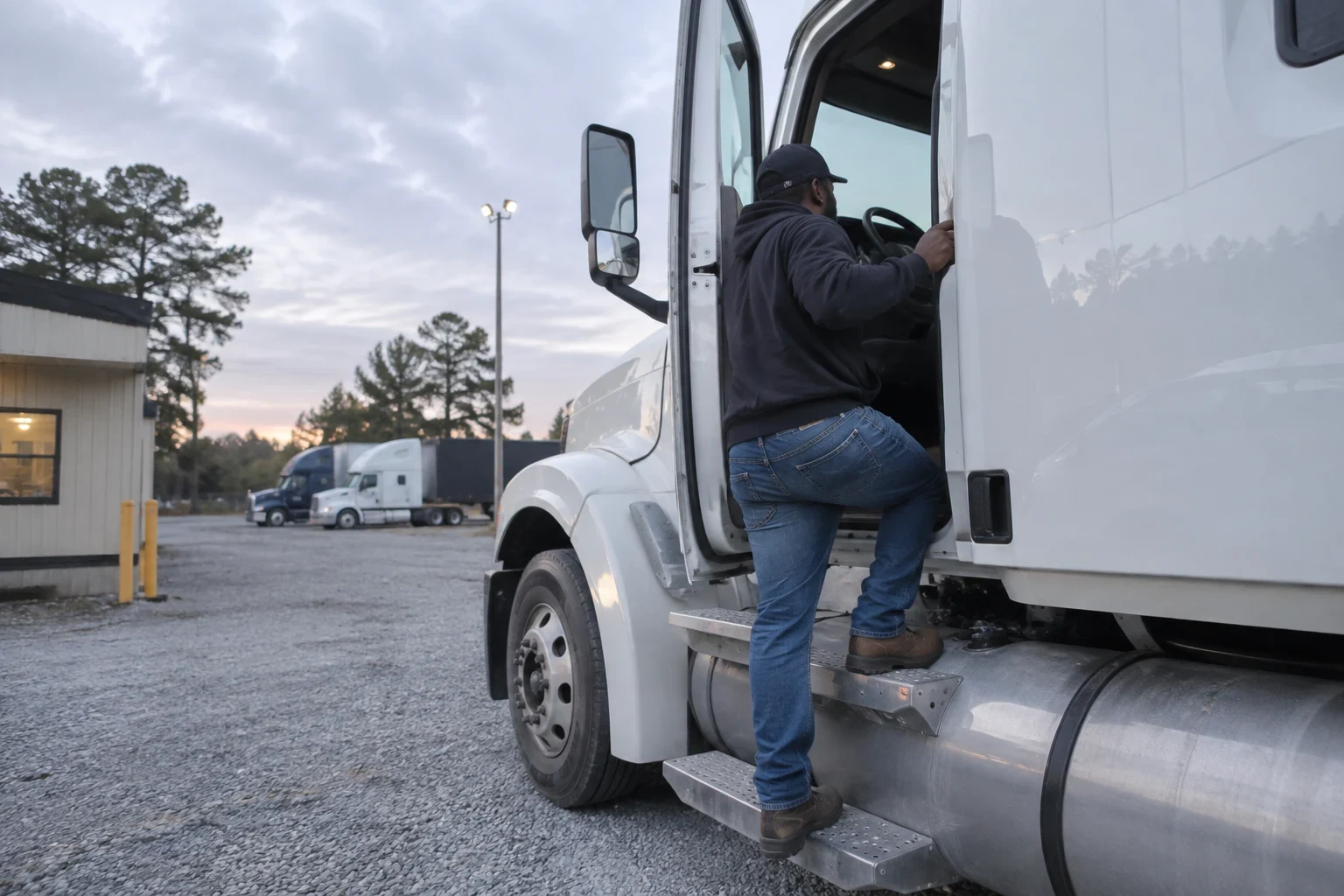
Know what you're responsible for before the next hookup
Send us through your agreement on a phone or video call and we'll explain what it requires and what coverage fits. After it's set up, we'll check back so nothing catches you off guard.