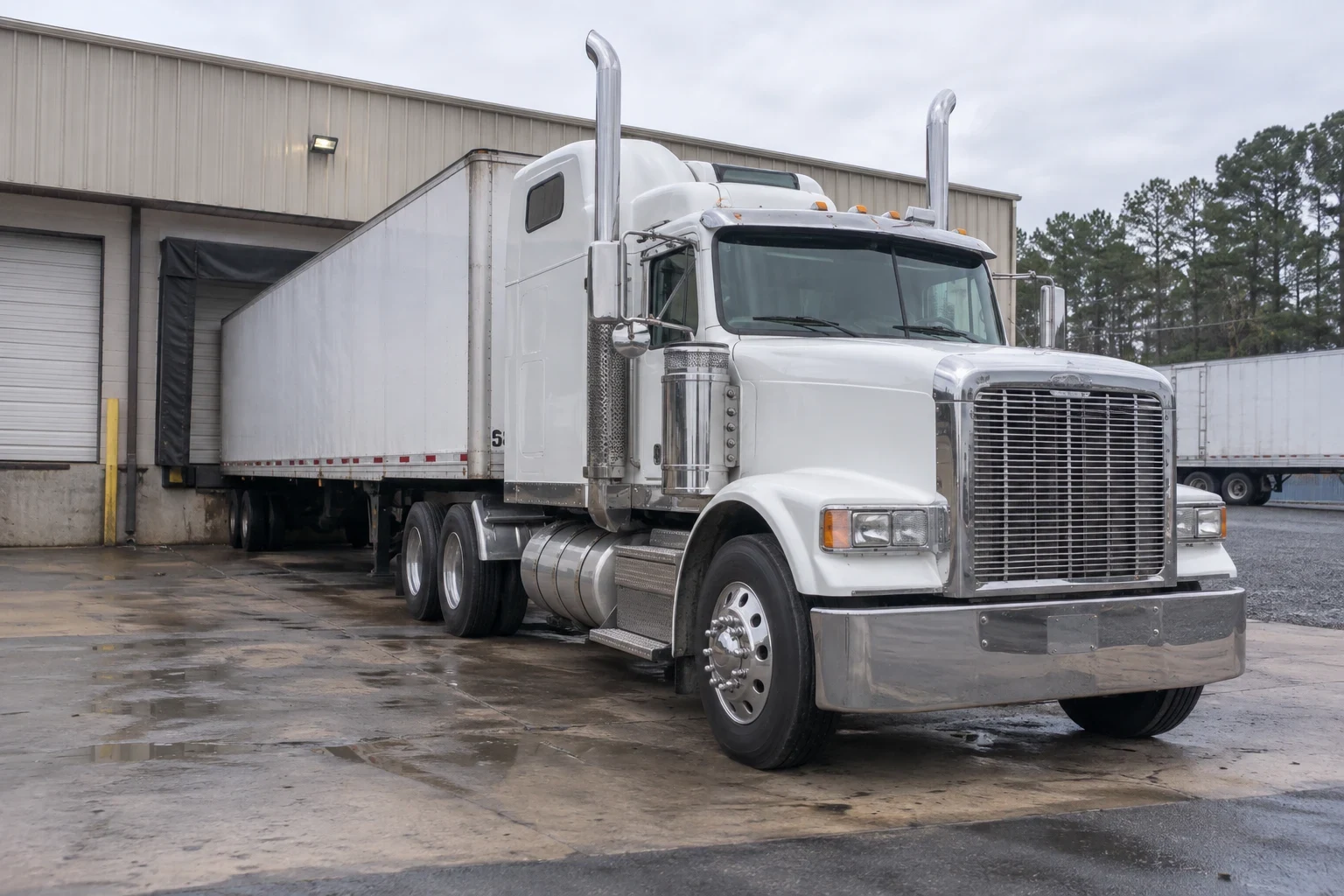
Decatur Trucking Insurance That Keeps Checking In After You Bind
We insure owner-operators, new MC authorities, hotshot and box truck operators and small fleets, writing primary liability, physical damage, cargo coverage and bobtail. Carriers in Decatur, Clarkston and Avondale Estates get quotes explained line by line, filings sent on their behalf, and a check-in call after the policy takes effect.
- Office, phone or video
- We send your filings
- Follow-up after binding
- Straight talk on exclusions
How Getting Covered Works
Most of this happens on the phone, with video if you want to look at documents together. Here is what to expect from the first call to the check-in.
- 1
A conversation about your operation
You tell us what you drive, what you haul and how far you run, and if you are leased on or running your own authority. We tell you which coverages you will need.
- 2
Gathering the paperwork
We will ask for your DOT and MC numbers, truck and trailer VINs, driver licenses and any prior loss runs. If you are a new authority, we help you figure out what you have and what you can skip.
- 3
Reviewing quotes together
We lay out the options side by side and explain the differences in plain terms, including exclusions that could matter for your freight.
- 4
Putting coverage in force
When you pick an option, we bind it, file the federal and state forms your authority requires, and get certificates of insurance out to each broker and shipper on your list.
- 5
Our follow-up call
Within the first weeks of coverage we confirm everything posted correctly and go over how to keep your policy in good standing. We stay in touch through the year and ahead of renewal.
Coverage for Every Kind of Truck Operation
Most trucking operations need several policies working side by side. Primary auto liability keeps your MC authority active, physical damage protects the trucks themselves, and motor truck cargo covers the freight you carry. Owner-operators leased to a motor carrier usually carry non-trucking liability in place of primary, and if you pull a trailer owned by someone else, trailer interchange deserves a look. We also put together packages for specific setups: owner-operator truck insurance, new authority truck insurance, fleet truck insurance, dump truck and construction truck insurance, hotshot truck insurance and box truck insurance. Each has its own page, and if you are not sure which one describes you, a short phone call usually settles it.
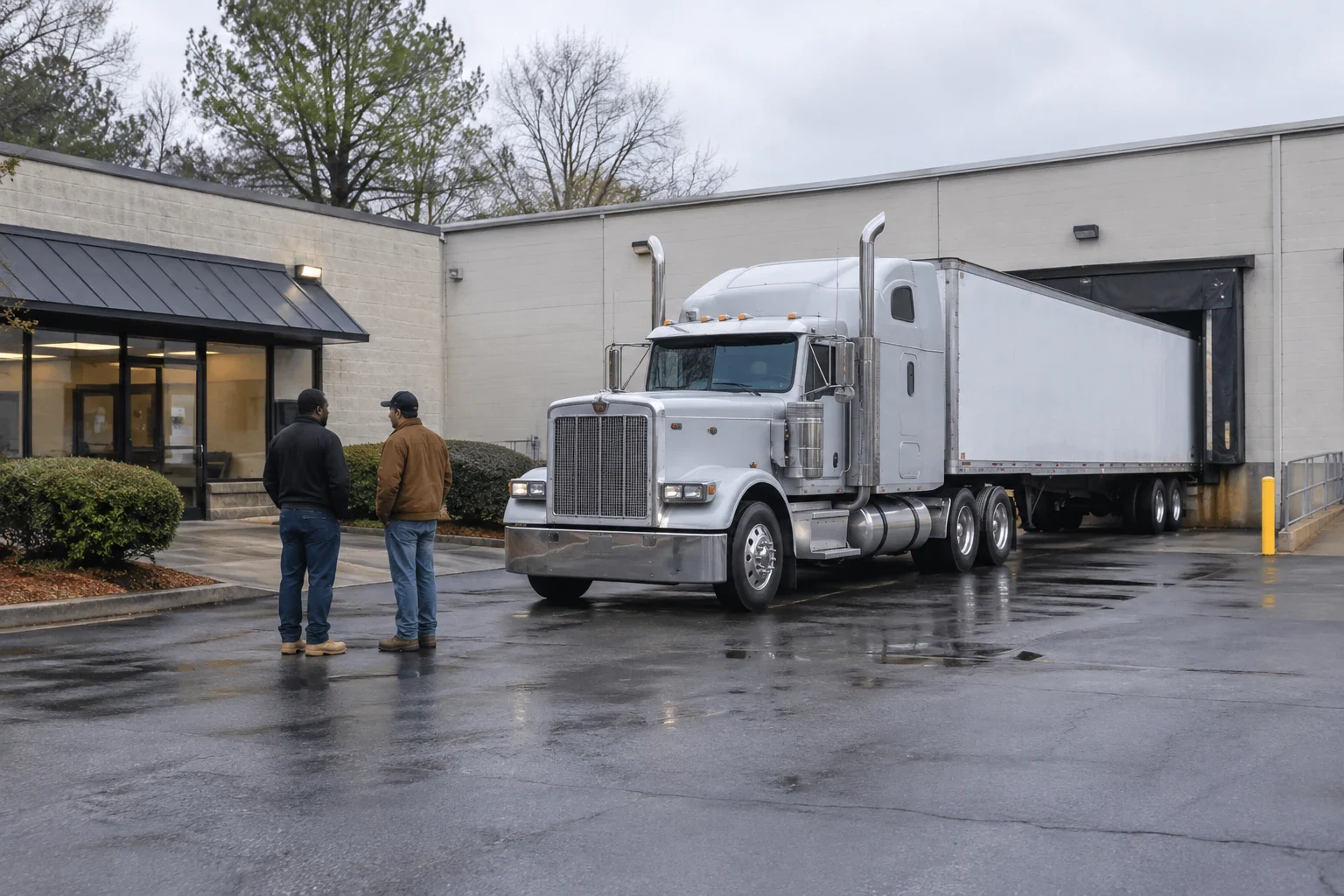
Commercial Trucking Insurance
Liability, cargo, physical damage and the filings behind your DOT number, set up as one plan and checked on after your policy starts.
Primary Auto Liability
The coverage that pays for injuries and damage your truck causes to others, plus the federal and state filings that keep your authority active.
Physical Damage Insurance
Collision and comprehensive coverage for the tractor, trailer or straight truck you own, set to a value that would actually let you replace it.
Motor Truck Cargo Insurance
Coverage for the freight on your truck, with limits and commodity lists set to what you really haul and a follow-up once the policy is active.
Bobtail Insurance
Liability coverage for leased owner-operators when the truck is off dispatch, written to match what your motor carrier's lease requires.
Trailer Interchange Insurance
Covers damage to a trailer or chassis you pull under a written interchange agreement, so a wreck or theft doesn't leave you owing for someone else's equipment.
Owner-Operator Truck Insurance
Coverage for owner-operators, leased on or under their own authority: bobtail, physical damage, liability and cargo, with a follow-up once your policy starts.
New Authority Truck Insurance
First-year coverage for new motor carriers, with your liability filing sent to the FMCSA and a check-in once your trucks start rolling.
Fleet Truck Insurance
One policy for several power units and drivers, built around your loads and lanes, with check-ins as trucks and drivers change.
Dump Truck Insurance
Coverage for dump trucks and construction trucks, set up around your loads, your radius and the certificates your contractors ask for.
Hotshot Truck Insurance
Liability, cargo and physical damage coverage built around a heavy-duty pickup and trailer, with filings handled and a check-in after your policy starts.
Box Truck Insurance
Liability, physical damage and cargo coverage for 16 to 26 foot box trucks running last-mile, moving, furniture and freight work.
Why Truckers Keep Coming Back to Us
Buying the policy is the easy part. Keeping it right as your operation changes is where drivers get stuck, so that is where we spend our time.
We call you once the policy binds
A few weeks into your coverage, we check in. We confirm your filings posted with FMCSA, make sure your certificate of insurance reached every broker and shipper who asked, and answer the questions that only come up once you are back on the road.
We explain how to keep the policy healthy
Your premium depends on things you control. We walk you through what to report when you add a truck or a driver, how a late payment can trigger a cancellation notice to FMCSA, and why keeping your ELD and maintenance records in order matters at renewal.
Quotes you can actually read
We go line by line: what each coverage pays for, the limit, the deductible and what is excluded. If a policy will not cover a load you haul, you hear it from us before you sign, not after a claim.
No pushing coverage you do not need
A leased-on driver does not need the same setup as a new authority running under its own MC number. We tell you which policies your contracts and the law actually require, and which ones are worth considering for your trucks.
A renewal review before the renewal
Ahead of your renewal date we look at your loss history, driver list and equipment with you, so there is time to shop or adjust instead of scrambling the week the policy ends.
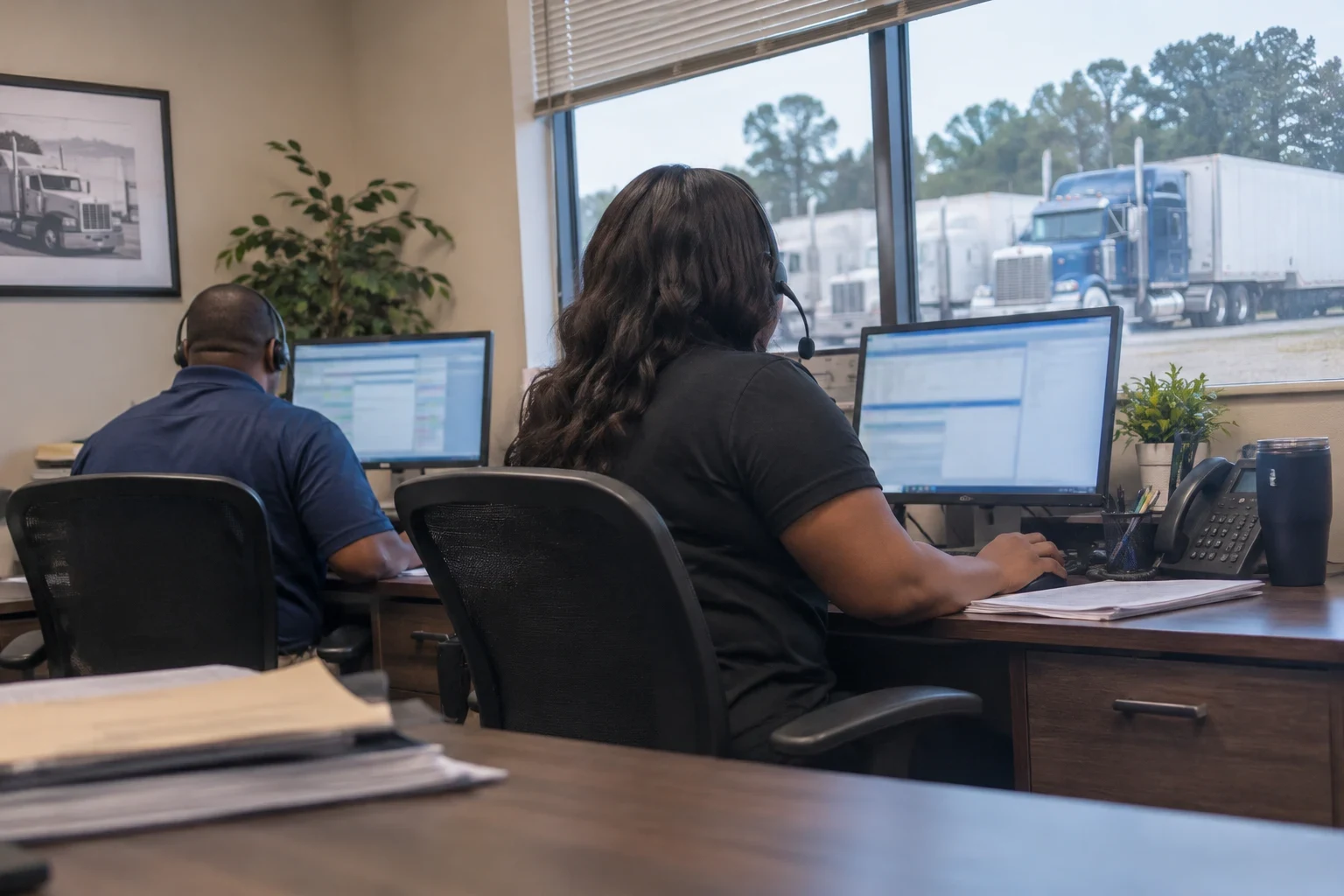
A Trucking Insurance Agency That Calls You Back
Trucking is the only thing we insure. Our clients are owner-operators, motor carriers with new authority, fleets from a handful of trucks up to mid-size, plus the hotshot, box truck and dump truck businesses working local jobs. Because we focus there, we know what brokers ask for, which filings FMCSA expects and where coverage gaps tend to catch drivers.
What sets us apart is what happens after the sale. Plenty of agencies disappear once the premium is paid. We would rather check in, catch a missing certificate before it costs you a load, and help you head into renewal with fewer surprises. You can reach us by phone, meet over video or sit down with us at our office.
- License
- Licensed for property and casualty insurance
- In business
- In business 5 years
What Shapes the Price of Your Trucking Coverage
Underwriters price the operation, not just the truck, so two similar rigs can come back with very different numbers. These are the details they look at hardest. Once you know them, a quote makes more sense, and you can see which ones you can improve over the next year or two.
We collect your information, take it to the insurers that write operations like yours, and go over every quote with you by phone or video. The insurance company sets the final price after it reviews your details.
- How long your authority has been active
- Insurers have nothing to judge a fresh MC number by, so they charge for the unknown. As clean months stack up under your DOT number, that surcharge tends to shrink.
- Who is behind the wheel
- Each driver's CDL experience and MVR matter a great deal. A single major violation can narrow the list of companies willing to write the policy.
- Freight, radius and lanes
- A local box truck route, cross-country dry van and aggregate hauling are all rated on their own scales. High-value loads and longer radius usually push the premium up.
- The value of your equipment
- Physical damage is priced on the stated value of every tractor, straight truck and trailer you list. A late-model unit costs more to protect than an older one, and hotshot pickups pulling goosenecks get their own rating.
- The limits and deductibles you choose
- When a broker or shipper asks for higher liability limits, the premium climbs. Taking a larger physical damage deductible can lower it, as long as you can cover that amount yourself.
- Claims and CSA history
- Prior losses and inspection results show insurers how your operation runs. Clean roadside inspections work in your favor, and a hard year tends to surface at renewal.
Common Questions From Truckers
Something not covered here? (404) 620-4683
How much is trucking insurance going to cost me?
We cannot give you a fair figure until we know your operation. The age of your authority, your drivers' records, your equipment, how far you run, what you haul and the limits your contracts require all feed the price. A brand-new carrier hauling general freight coast to coast lands in a very different place than a seasoned local dump truck business. Once we have your details, we bring back actual quotes to compare.
What information should I gather before I call?
Have your DOT and MC numbers handy if they are issued, plus the year, make and VIN for every truck and trailer. We will also want each driver's license details and driving experience, and loss runs from your last insurer. A general picture of your freight and radius rounds it out. Missing a piece is fine; we can get started and fill gaps as we go.
I just received my MC authority. Can you still help?
Absolutely. Brand-new carriers make up a large share of the people we work with. Not every insurer will write a new authority, so we tell you what the market looks like, which coverages must be on file before your authority goes active, and what habits help your pricing improve as your record grows.
Will you take care of my FMCSA filings?
Yes. When the policy binds, we submit the filings your authority requires and then check that they actually posted. If one gets stuck, we chase it down with the insurer so you are not waiting and wondering whether you can legally run.
Do I need bobtail coverage or primary liability?
It depends on how you run. Primary auto liability protects you while hauling under dispatch and is required when you operate under your own authority. Non-trucking liability, also called bobtail, is for owner-operators leased to a motor carrier and covers the truck when it is not under dispatch. We read through your lease terms with you to see which one applies.
Who sends certificates to my brokers and shippers?
We do. After your coverage takes effect, give us the names of the brokers and shippers who need proof, and we issue each certificate of insurance for you. When a new customer asks for one months later, a quick phone call to us is all it takes.
Do I hear from you after the policy is in place?
Yes. Early on we reach out to make sure your filings and certificates are all set and to answer anything that has come up. During the year we remind you which changes need reporting, like adding a driver, buying a truck or stretching your radius. Ahead of renewal we sit down with you to review it all while there is still time to adjust.
Serving Truckers in Decatur and Nearby
We write trucking insurance for operators based in Decatur and across the surrounding area, including Avondale Estates, Clarkston, Scottdale, North Decatur, North Druid Hills, Druid Hills, Belvedere Park, Candler-McAfee, Gresham Park and Panthersville. From a single hotshot rig to a yard of dump trucks, the process stays the same: a call, a clear quote and a check-in once you are covered.
- Decatur
- Avondale Estates
- Candler-McAfee
- North Decatur
- North Druid Hills
- Belvedere Park
- Clarkston
- Scottdale
- Panthersville
- Druid Hills
- Gresham Park
Because most of our work happens by phone and video, you do not need to come in. If you would rather go over your policy face to face, we can meet at our office.
Get Covered and Get Someone Who Checks In
Share the details of your equipment, freight and lanes, and we will lay out your options in plain language. Once you are covered, we keep in touch so the policy grows with your operation.