ServicesPhysical Damage Insurance
Physical Damage Insurance in Decatur
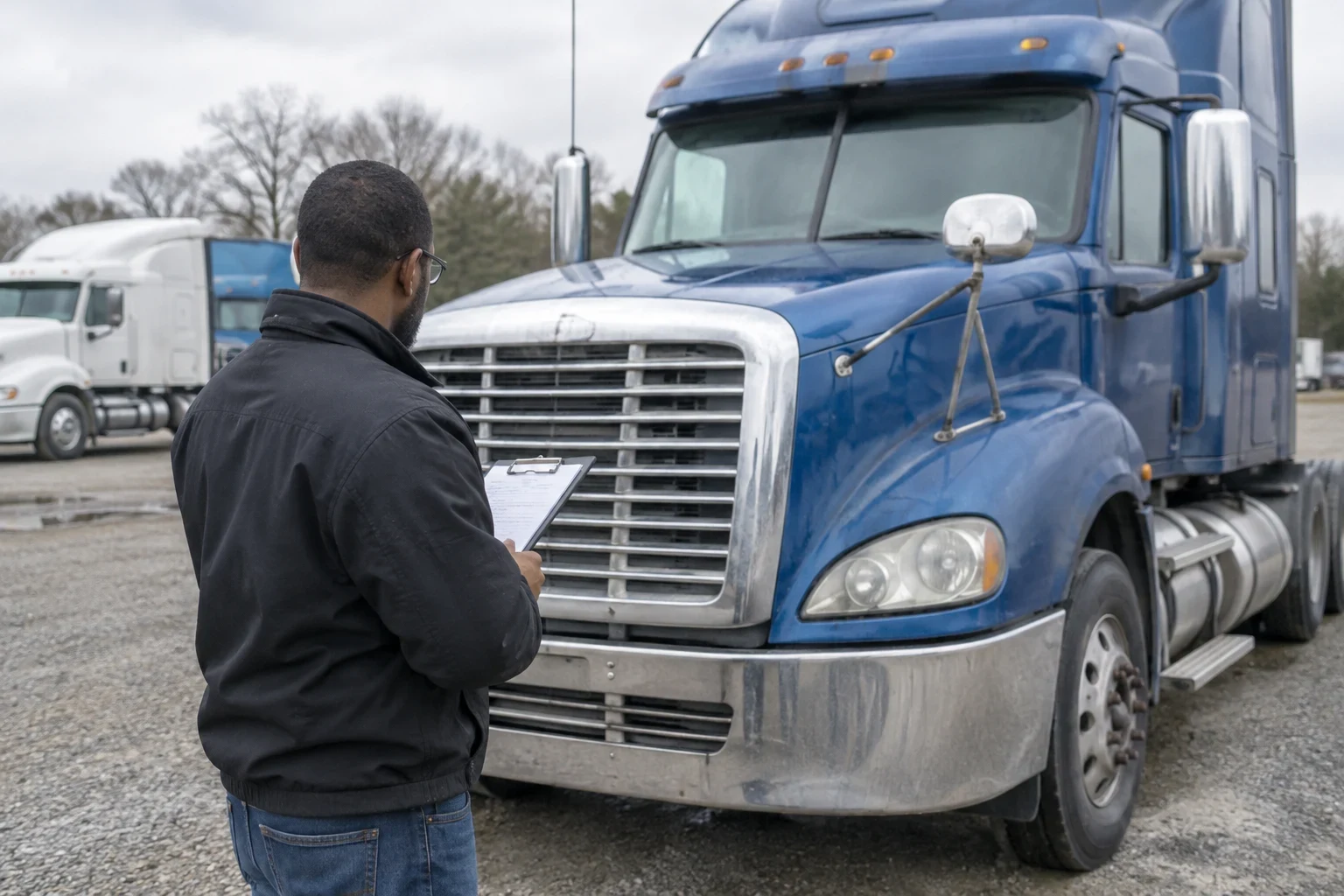
Your liability policy pays for the other driver's truck, not yours. Physical damage insurance covers the equipment you own or finance when it is wrecked, stolen, burned or hit by a storm. We set it to a realistic value and check back as your operation changes.
What physical damage coverage does for your trucks
Physical damage insurance has two parts. Collision pays to repair or replace your truck when it hits another vehicle or object, or rolls over. Comprehensive covers almost everything else: theft, fire, vandalism, falling objects, flood and hail. Neither one is required by the DOT, but if a bank or leasing company holds the title, they will almost always require both.
For an owner-operator, this is often the coverage that keeps the business running through a bad day. A motor carrier you are leased to may carry the liability, but your tractor is usually your responsibility. Fleets use it to protect the equipment they've paid off, and new authorities need it to satisfy lenders before the first load.
Setting it up is the start, not the end. Truck values shift, equipment gets added and lienholders change. Once your policy is in place, we check in to make sure the numbers still match what is parked in your yard.
Coverage pieces we build into your plan
Collision coverage
If your tractor or trailer is damaged in a wreck, collision handles the repair or replacement no matter who was at fault, once your deductible is met.
Comprehensive coverage
Covers theft, fire, vandalism, glass and weather damage. In Georgia, spring hail and summer thunderstorms make this part worth a close look.
Stated value set with you
Many truck policies are written on a stated value. We go over the year, make, mileage and condition with you so the number on the policy is one you could actually replace the unit for.
Attached equipment
Sleeper upgrades, APUs, lift gates and custom work can be listed so they are not left out when you file a claim.
Lienholder and loss payee details
We list your lender correctly and get them the certificate of insurance they ask for, so the finance company is not calling you.
Signs it's time to look at physical damage coverage
- You just financed or leased a truck
- The lender will want proof of collision and comprehensive with them named as loss payee, usually around the day you take delivery.
- Your truck is worth more than you could replace out of pocket
- If losing the unit tomorrow would end your operation, this coverage is doing real work for you.
- Your stated value hasn't changed in years
- An old figure can mean you are overpaying for a truck that has lost value, or underinsured on one you've rebuilt.
- You're leasing on to a carrier
- Most carrier agreements cover liability only. Read the lease, then ask us what it leaves to you.
- You added a trailer or a second truck
- New equipment is not covered until it is on the schedule, so it should be added the day you take it.
How we get you covered
- 1
A conversation about your equipment
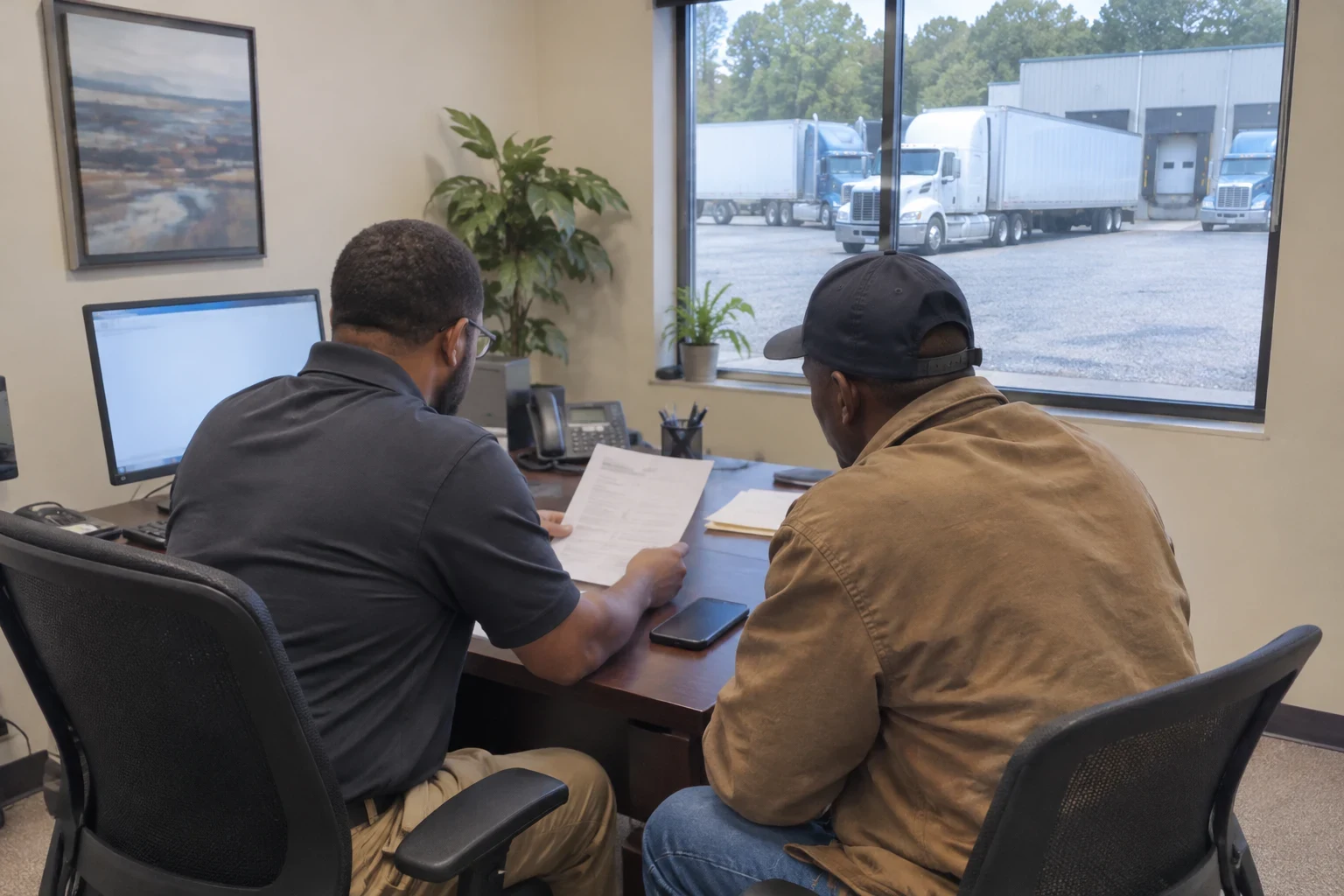
By phone, video or at our office, we go over each unit, how it's financed, where it parks at night and the kind of hauling you do.
- 2
Value and deductible options
We show you how different deductibles and stated values change the premium, so you can pick what fits your cash on hand.
- 3
Policy and paperwork
Once you choose, we bind the coverage and send certificates to your lender or carrier.
- 4
We check back
A few weeks in, we confirm your documents are right and your lender has what it needs. We also remind you to call us before adding equipment or whenever a unit's value changes.
What moves the price of physical damage coverage
Physical damage premiums mostly come down to what the truck is worth and how likely it is to get damaged. We explain each factor plainly, so you can see where your money goes and which choices you control.
- Value of the equipment
- A newer tractor or a well-equipped box truck simply costs more to replace, and the premium follows that value.
- Deductible you choose
- Raising your deductible trims what you pay for the policy, but you carry a bigger share of any repair bill yourself. We help you settle on an amount you could cover without strain.
- Who is driving the truck
- Insurers look closely at the people in the seat. A spotless MVR and a long CDL history work in your favor, while a fresh license or a wreck in the last few years tends to raise the premium.
- Type of hauling and parking
- Dump work, long haul and local delivery carry different risks. Where the truck sits overnight matters for theft too.
Physical damage insurance questions
- Is physical damage insurance required by law?
- No federal or state rule requires it the way liability is required. Lenders and leasing companies, however, almost always require it while they hold the title. If your truck is paid off, it becomes your choice.
- Does physical damage cover the freight I'm hauling?
- No. It covers the truck and trailer themselves. Freight is protected by motor truck cargo insurance, which we can set up alongside it.
- How is stated value different from actual cash value?
- When the policy is written, you and the insurer agree on a dollar figure for each unit. Actual cash value is what that truck would bring on the market the day it's damaged, after wear and depreciation are taken out. On most stated value policies, the insurer pays whichever of those two numbers is lower, so an outdated figure can work against you.
- I'm leased to a carrier. Don't they cover my truck?
- Usually they cover liability while you're under dispatch, not damage to your own tractor. Check your lease agreement or send it to us and we'll go through it with you. Many leased owner-operators also need non-trucking liability.
- What should I do if my truck is damaged?
- Report it to the insurer as soon as you can and take photos of the damage. We can explain how the claim process works and what the adjuster will ask for. Once it's settled, we check back to update your policy if the truck is replaced or repaired.
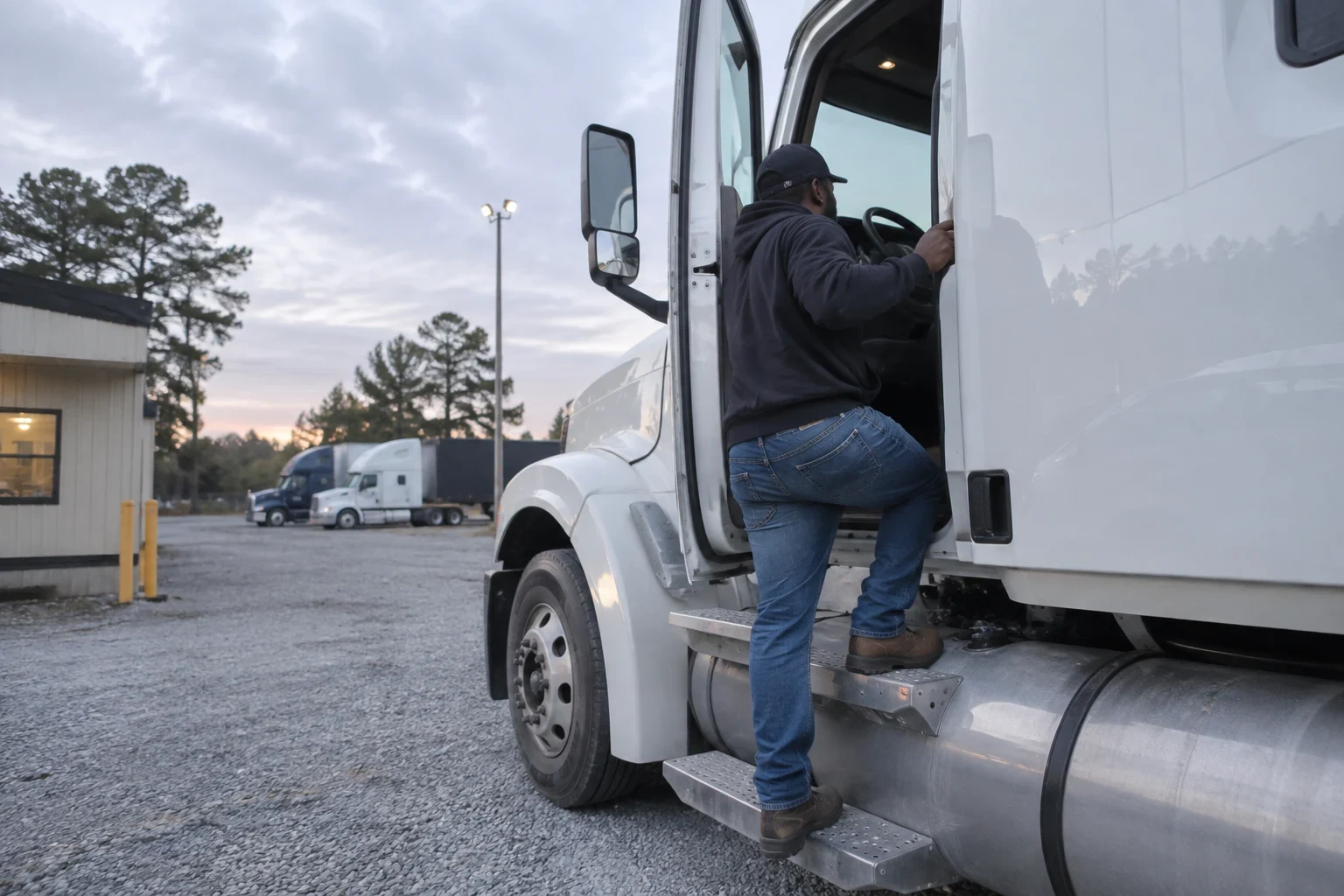
Let's make sure your truck is covered for what it's worth
Tell us about your equipment and how it's financed, and we'll walk you through coverage, deductibles and value. Then we'll keep checking in as your operation grows.