ServicesOwner-Operator Truck Insurance
Owner-Operator Truck Insurance in Decatur
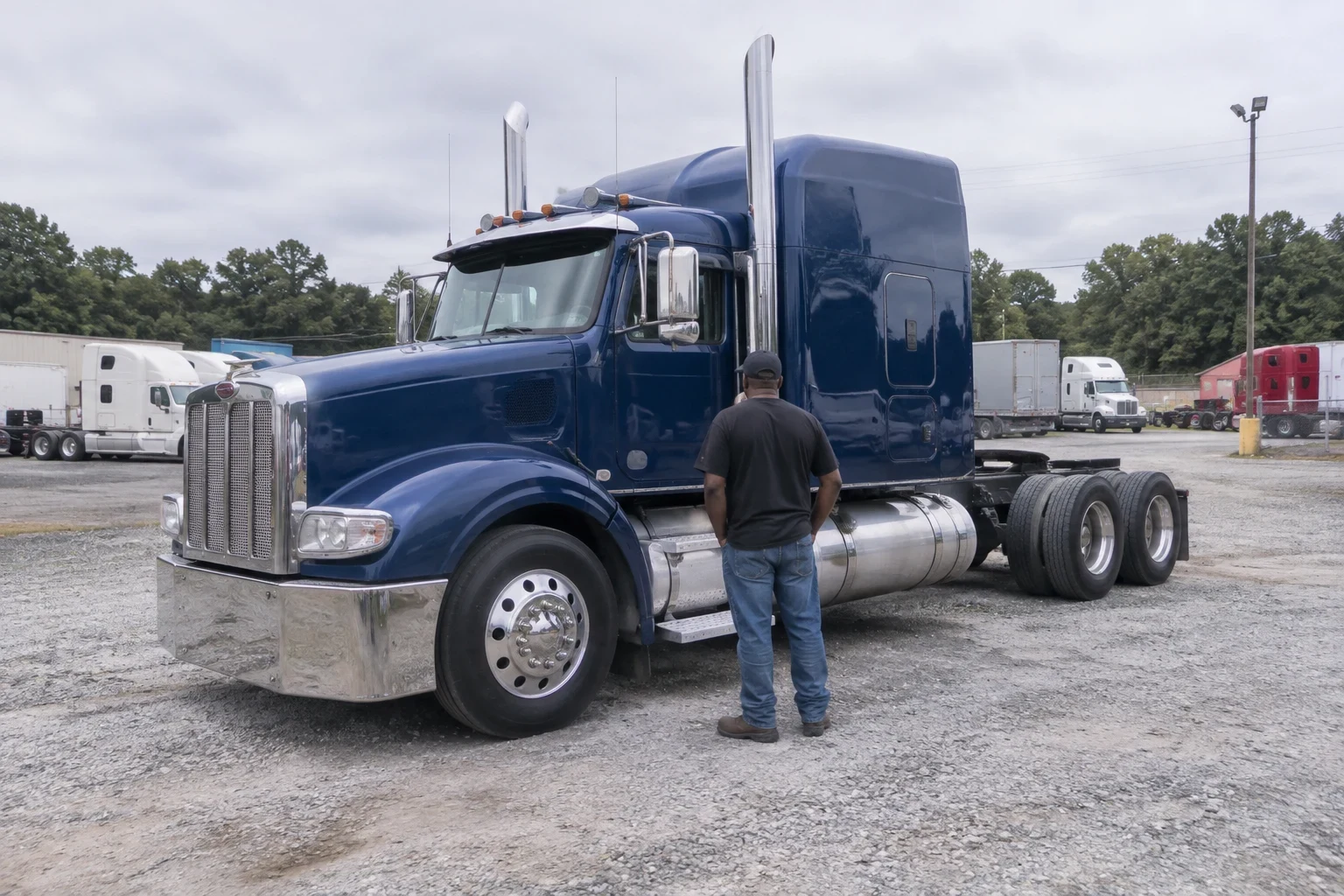
You own the truck, so your coverage has to match how you really run it, leased onto a carrier or hauling under your own MC authority. We sort out what your lease already covers, fill the gaps, and check back once the policy starts.
Coverage built around how you run
Owner-operator truck insurance isn't one policy. It's a set of coverages shaped by a single question: whose authority is the load moving under. Leased onto a motor carrier, you generally lean on the carrier's primary liability while dispatched, and your part is protecting the truck itself and the miles you drive off the clock. Running on your own DOT number and MC authority puts every piece on you, federal filings included.
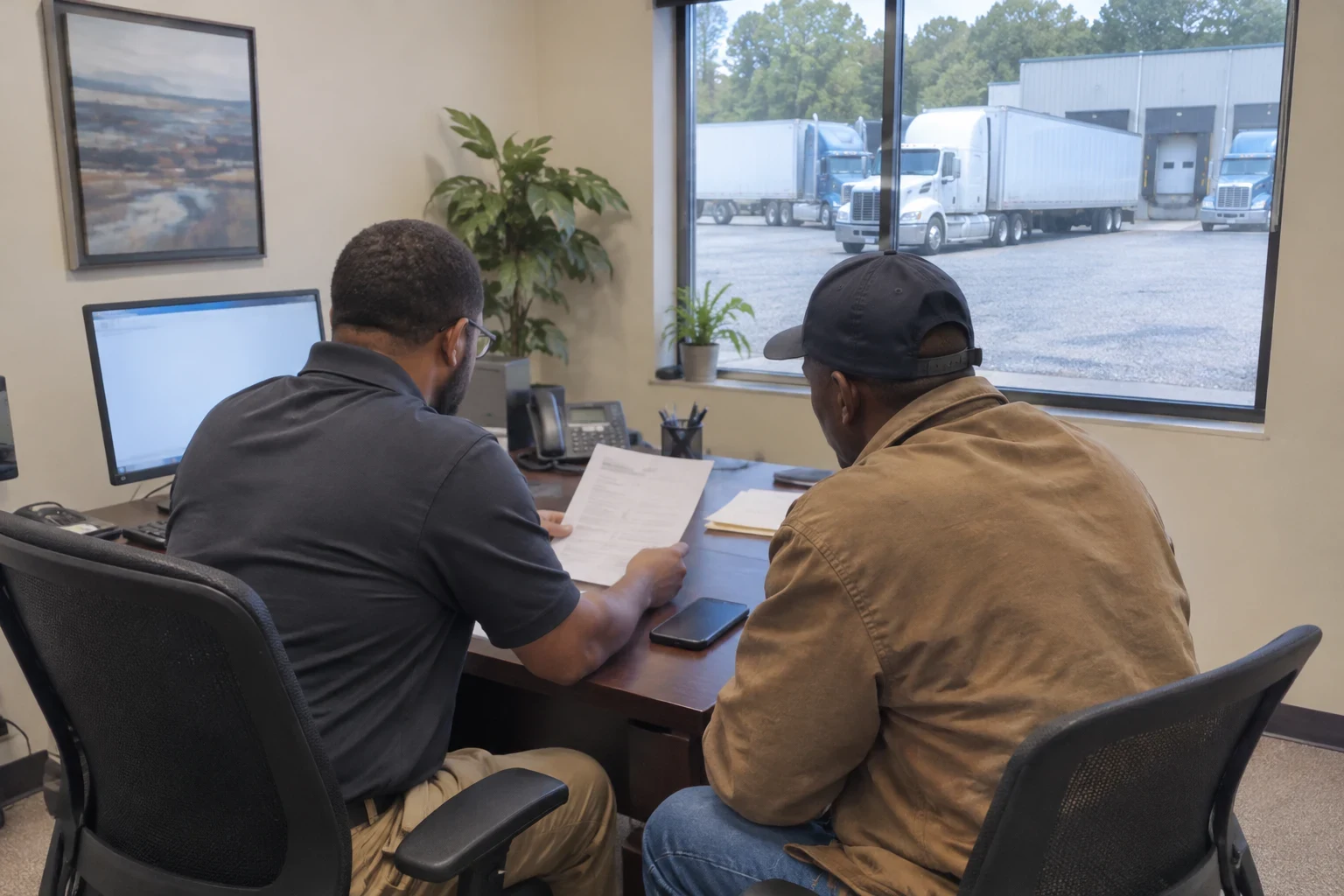
We start by reading your lease agreement, because that's where the carrier spells out what it covers and what it charges back to you. Some drivers find they're paying for coverage through a settlement deduction and buying it again on their own. Others assume the carrier has them covered when it doesn't.
Once the policy is written, we don't disappear. We check in when it starts to confirm your certificates went where they needed to and your filings show active, and we explain what to keep up with until renewal.
What an owner-operator policy can include
Non-trucking liability (bobtail)
For leased drivers, this protects you when the truck is on the road but not under dispatch, such as a trip to the shop after you drop a load. Many carriers write it into the lease. Our Non-Trucking Liability (Bobtail) Insurance page covers it in more detail.
Primary auto liability
Once you haul under your own MC authority, this one is mandatory. If you're at fault in a wreck, it covers other people's medical bills and property repairs, and it's the policy your federal filing points to.
Physical damage
Protects your tractor, plus your trailer if you own one, against collision, theft, fire and similar losses. A lender on a financed truck will insist on it and ask to be named on the policy.
Motor truck cargo
Pays when the freight you're hauling is damaged or lost. Brokers and shippers often name the limit they expect, so we confirm their requirements before choosing one.
Trailer interchange
When you pull a trailer owned by someone else under an interchange agreement, you're on the hook for it. This coverage handles damage to that trailer while it's hooked up or parked in your care.
Certificates and filings
We take care of certificate of insurance requests from brokers and shippers, submit the proof of coverage your authority calls for, and check that it posted.
Signs your coverage needs a closer look
- Your lease is changing
- Switching carriers, or leaving one to get your own authority, changes which coverages you need and who pays for them. Sort it out before your first load under the new setup.
- Deductions you can't explain
- If your settlement sheet shows insurance chargebacks and you aren't sure what they buy, we can compare them line by line against your lease.
- A broker wants a higher limit
- A load you want may call for more cargo coverage or liability than you carry now. Raising a limit is usually a policy change, not a whole new policy.
- You bought or financed a truck
- A new unit needs to be added at the right value, and a lender usually needs to be named as loss payee before you drive it off the lot.
- Renewal came in high
- A bigger number at renewal has reasons, such as a claim, a violation or a shift in the market. We look at what drove it and what options you have.
How getting covered works
- 1
Tell us how you run
By phone, over video or at our office, we cover the basics: whether you're leased on or running your own numbers, the freight you carry, your typical radius, and which equipment you own or finance. Keep your lease, CDL details and truck VINs close by.
- 2
Quotes you can compare
We shop only the coverages your operation needs and walk you through each quote in plain language: limits, deductibles and exclusions. The choice is yours.
- 3
Binding, certificates and filings
When you've decided, we bind the policy, get certificates to your carrier or brokers, and handle whatever filings your authority needs.
- 4
We check back
After the policy goes active, we reach out to make sure everything arrived where it belongs and to answer the questions that crop up early on. We also explain what to report during the term, like adding a truck, hiring a driver or changing your lanes.
What moves your premium
Owner-operator coverage doesn't come with one set price. Put two drivers in identical trucks and their premiums can still land far apart. Below are the things insurers lean on hardest, and on the call we'll point out which ones are shaping your quote.
- Leased on or own authority
- A leased driver who only needs bobtail and physical damage pays much less than someone carrying primary liability under their own MC authority.
- Driving record and experience
- Insurers look at how long you've held a CDL, any recent tickets or accidents on your MVR, and how your roadside inspections have gone.
- Truck value and deductible
- Physical damage premium tracks the stated value of your equipment. A higher deductible lowers the premium, but you'd cover a larger share of the repair bill yourself after a loss.
- What you haul and how far
- The commodity, your cargo limit and your radius of operation all factor in. Long runs and pricier freight usually cost more to insure than local work.
- Claims history
- Loss runs from your past policies show insurers how you've done. A clean record helps when you first get a quote and again each renewal.
Owner-operator questions we hear
- My carrier has me leased on. Is my own coverage still needed?
- Usually, yes. The carrier's primary liability generally applies while you're under dispatch, but it won't repair your own truck or protect you on personal trips. Most leases require you to carry non-trucking liability and physical damage on your own. We go through your lease to see exactly what it asks of you.
- Is bobtail coverage the same thing as non-trucking liability?
- Drivers often swap the two names, but policies don't always treat them alike. Non-trucking liability applies when the truck is being used for personal, non-business reasons. Bobtail in the narrow sense applies when you're running without a trailer attached, and some forms cover that even while dispatched. Your lease wording decides which one you need, so we read it before we quote.
- Can I keep my policy if I get my own authority?
- Parts of it may stay, such as physical damage on your truck. On top of that you'll need primary auto liability, usually cargo coverage, and the filings tied to your MC authority. If you're brand new to running your own numbers, our New Authority Truck Insurance page walks through that first year.
- How do certificates of insurance work with brokers?
- After your policy is active, we send certificates whenever a broker asks and confirm they got what they needed. Pass along the exact holder name and any special wording the broker wants on it. A certificate with the wrong details is one of the most common reasons a load gets stalled.
- What do you check on once the policy starts?
- We make sure certificates reached your carrier or brokers, your filings show active, and any lienholder is named correctly. We also remind you what to tell us during the term, like trading in a truck or picking up new lanes, so a claim doesn't get delayed over something that could have been updated.
Find out what your lease actually covers
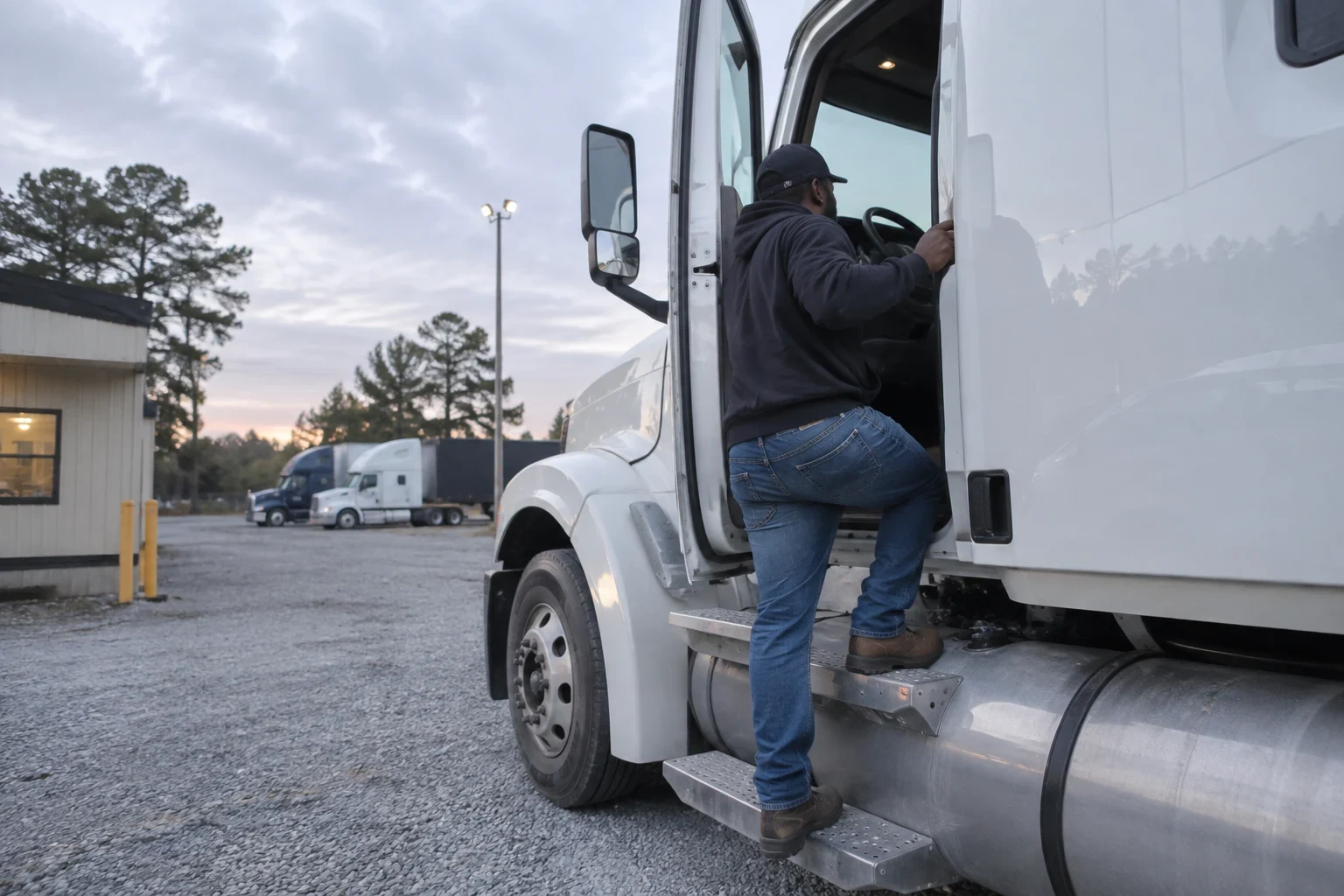
Have your lease agreement and truck details ready for the call. We'll go through them with you, quote what's missing, and stay in touch once your coverage starts.