ServicesBobtail Insurance
Non-Trucking Liability (Bobtail) Insurance in Decatur
Haul under a motor carrier's authority and their liability policy protects you on the loads they dispatch. The moment you're off dispatch, that protection typically ends. We write non-trucking liability to close that gap, match it to your lease, and stay in touch once it's active.
The off-dispatch gap this policy fills
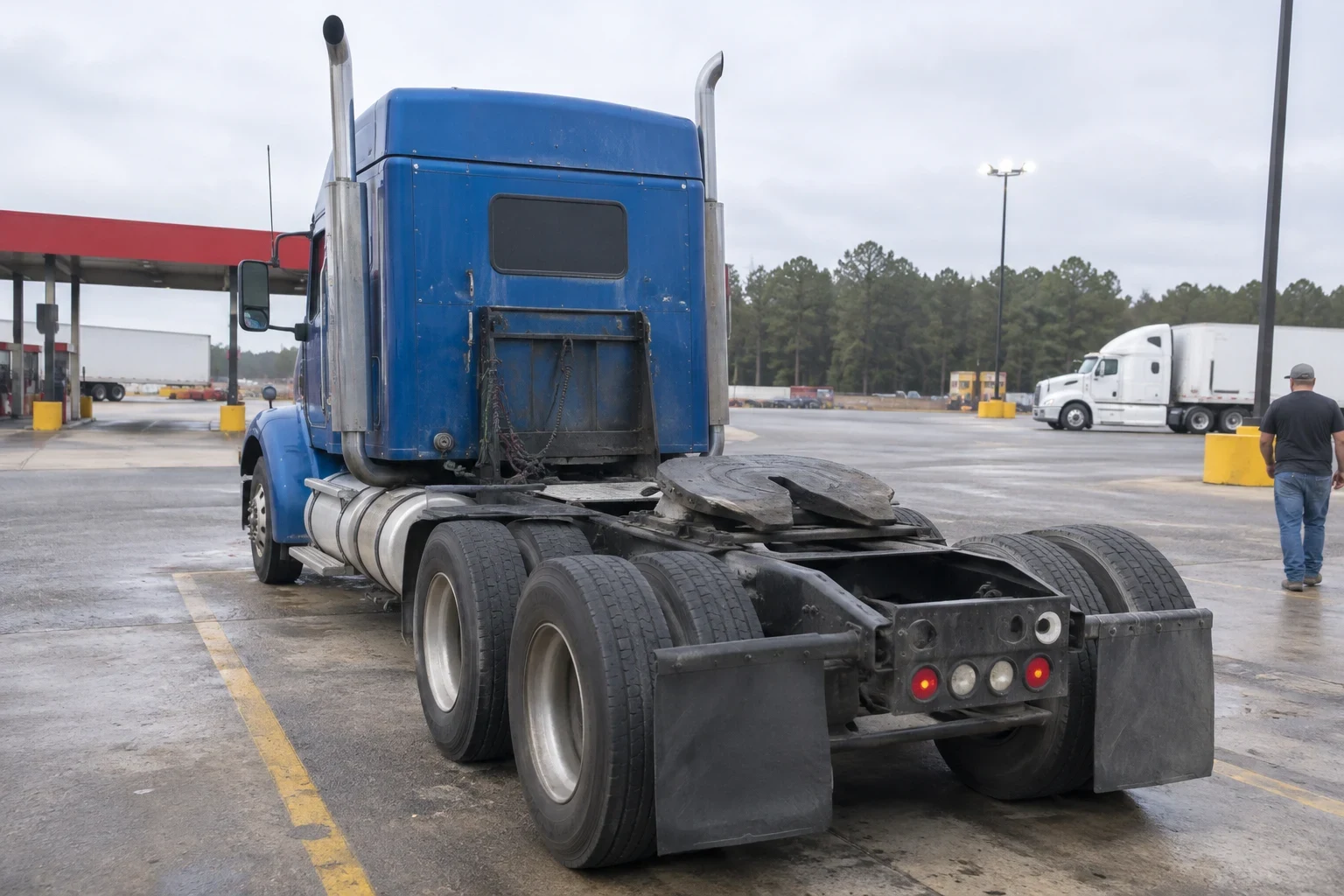
Non-trucking liability, which most drivers just call bobtail insurance, responds when your truck injures someone or damages their property while you're using it for personal reasons. Picture the ride home once a load drops, a run to the shop for new tires, or picking up groceries in the tractor on a day off. Your carrier's primary auto liability handles the dispatched miles. This policy picks up the rest.
It's meant for owner-operators running under another company's MC authority. Most leases make it mandatory, and plenty of carriers keep you off the board until a certificate of insurance listing them is on file. If you run under your own DOT number and authority, primary auto liability is the right policy instead, and we'll say so plainly.
Once the policy is issued, we stay in the picture. We confirm your carrier has the certificate and explain what keeps the coverage valid as your lease or truck changes.
What we handle for you
- A read of your lease agreement
- We look at what your motor carrier actually requires: the liability limit, how they want to be named on the policy, and any wording about off-dispatch use. Your coverage is written to match, so there's no back-and-forth with safety or compliance.
- Certificates sent to your carrier
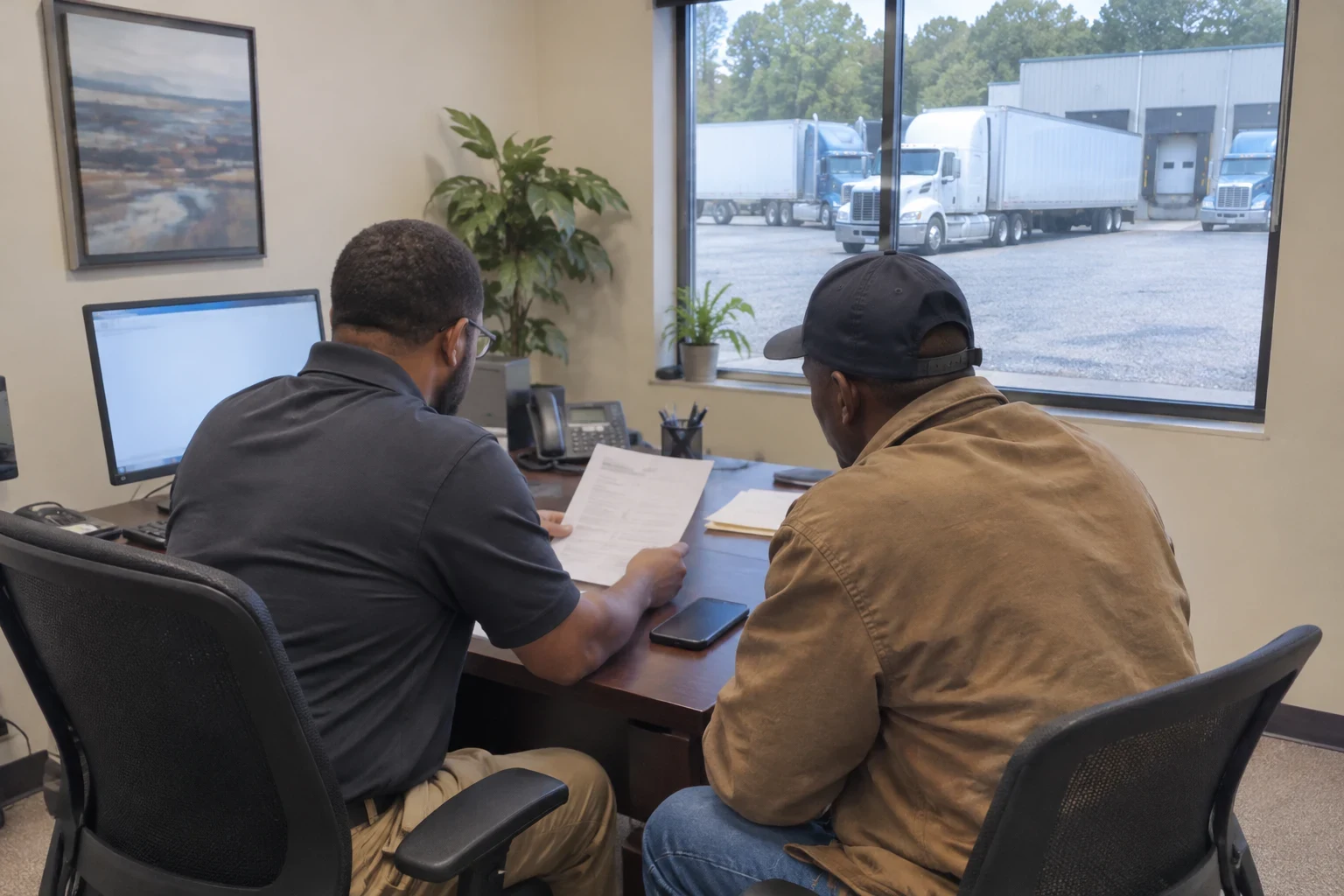
- We issue the certificate of insurance to your motor carrier and confirm they have it. If you switch carriers later, we send a new one.
- Clear lines on what's covered
- We explain where non-trucking liability ends, such as driving under dispatch or hauling a load for pay. You'll know which situations fall to your carrier's policy and which fall to yours.
- Pairing with physical damage
- Bobtail coverage protects other people, not your truck. If your lease also requires physical damage insurance for your tractor, we can quote both on the same call.
- A check-in once the policy starts
- A few weeks in, we reach out to make sure nothing was missed and answer any questions. We also remind you before renewal so the coverage doesn't lapse while you're on the road.
Signs it's time to set up bobtail coverage
You're signing a new lease
The onboarding packet lists non-trucking liability as a requirement. Getting it lined up early keeps your start date on track.
You drive the truck home
If your tractor sits at your place between loads around Decatur, every trip to and from it is off-dispatch driving.
Your carrier asked for a new certificate
A request from compliance usually means your old certificate expired, your carrier changed, or their name isn't shown the way they want. We can sort that out.
You're not sure what your carrier's policy covers
Many drivers assume the company's policy follows them any time the truck is moving. Some find out otherwise after a fender bender on a personal trip, and that's the conversation we'd rather have beforehand.
You're applying for your own authority
When your own MC authority goes active, bobtail coverage stops being the right fit. We'll help you transition to primary auto liability, and our New Authority Truck Insurance page explains that step in more detail.
What shapes your bobtail premium
Because this policy only responds to personal, off-dispatch use, it tends to cost less than the other coverage an owner-operator carries. Premiums still differ a lot from one driver to the next. These are the main things that move yours.
Your driving record
Underwriters look closely at your motor vehicle record and how long you've held a CDL. Tickets and at-fault crashes push the rate up, while a spotless record tends to bring it down.
The limit your lease requires
Carriers set the minimum liability limit in the lease. A higher required limit costs more to carry.
Your truck and where it's parked
The type of tractor and where it's garaged both factor in. A truck kept in a dense metro area can rate differently than one kept in a rural lot.
Claims history
Past liability claims, even small ones, can raise the premium. We'll ask about them up front so the quote holds up.
How getting covered works
- 1
A phone or video conversation
We talk through your truck, your driving history and who you're leased to. Have your lease or the carrier's insurance requirements handy if you can.
- 2
Your quote, explained line by line
We show you the limit, who is named on the policy, and what the premium is based on. If something in your lease seems off, we point it out.
- 3
Policy issued and certificate sent
Once you decide to go ahead, we bind coverage and send the certificate to your motor carrier. We confirm they received it so you're not left waiting on a call from dispatch.
- 4
We follow up
We check back after the policy is in place and again before renewal. If you change trucks, carriers or where you park, tell us and we'll update the policy so it still fits.
Bobtail insurance questions we hear often
Is bobtail insurance the same as non-trucking liability?
In everyday talk, yes, most people use the terms interchangeably. Strictly speaking, bobtailing means driving a tractor without a trailer, and some older policies were written around that. Non-trucking liability turns on dispatch status, not on a trailer being hooked up. We'll make sure your policy uses the wording your lease asks for.
Does it cover damage to my own truck?
No. This policy pays for harm you do to other people and their property. Fixing your own tractor is the job of physical damage insurance, a separate policy we can quote on the same call.
Am I covered driving back empty after a delivery?
It depends on your lease and the policy wording. Some carriers treat the return trip as still under dispatch, and some don't. We read both documents and tell you which policy applies before you need to find out.
Can I use the truck for a side job on the weekend?
Not under this coverage. Hauling for pay, even for a friend's business, is commercial use and is excluded. If you're doing work outside your lease, talk to us about what coverage that work needs.
What happens if I switch carriers?
Your policy can usually stay in place, but the certificate needs to show the new carrier's name and meet their requirements. Tell us who they are and what they ask for, and we'll send updated paperwork.
Get covered for the miles off the clock
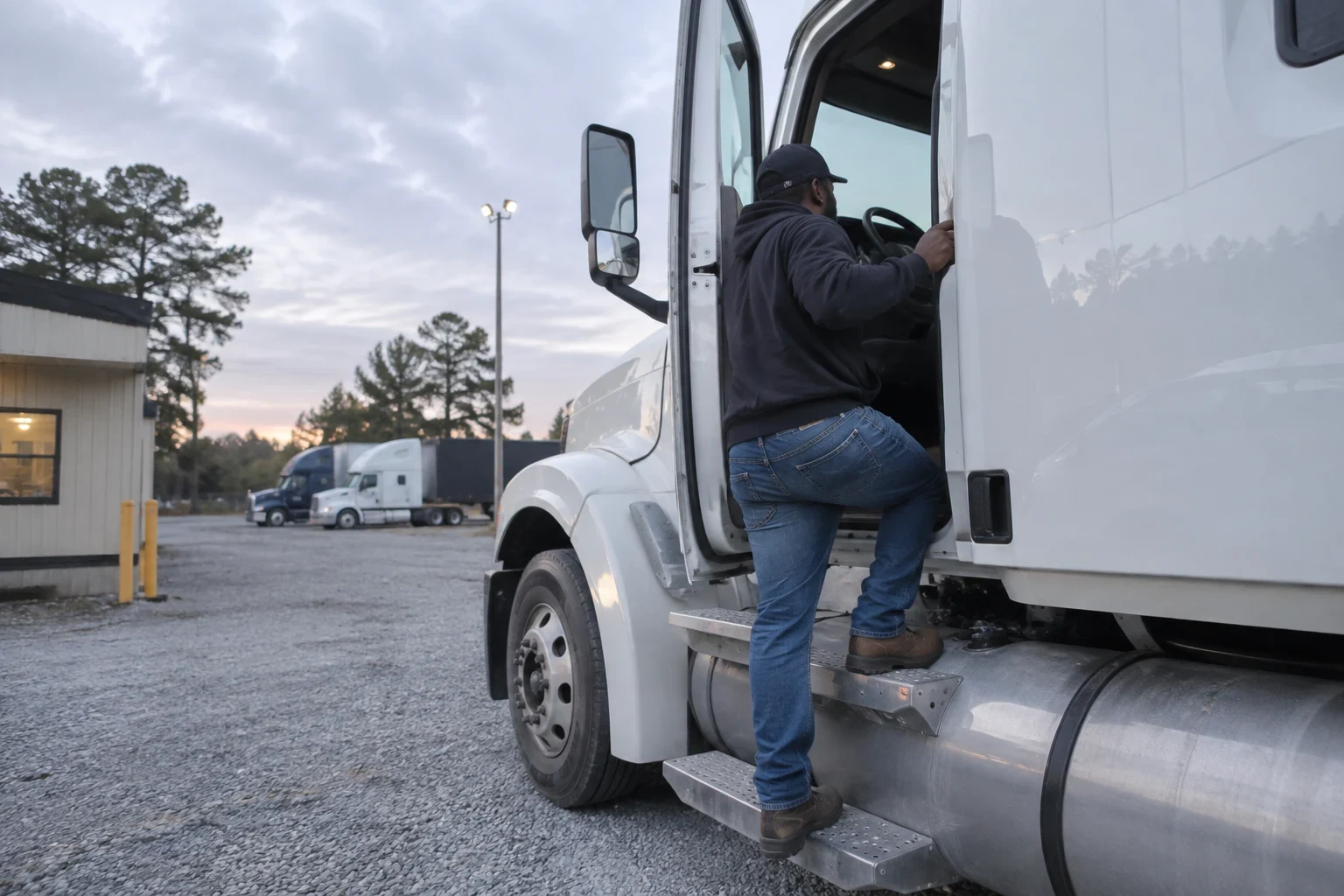
Tell us who you're leased to and what they require. We'll explain your options, get the certificate where it needs to go, and check back once you're rolling.