ServicesHotshot Truck Insurance
Hotshot Truck Insurance in Decatur, GA
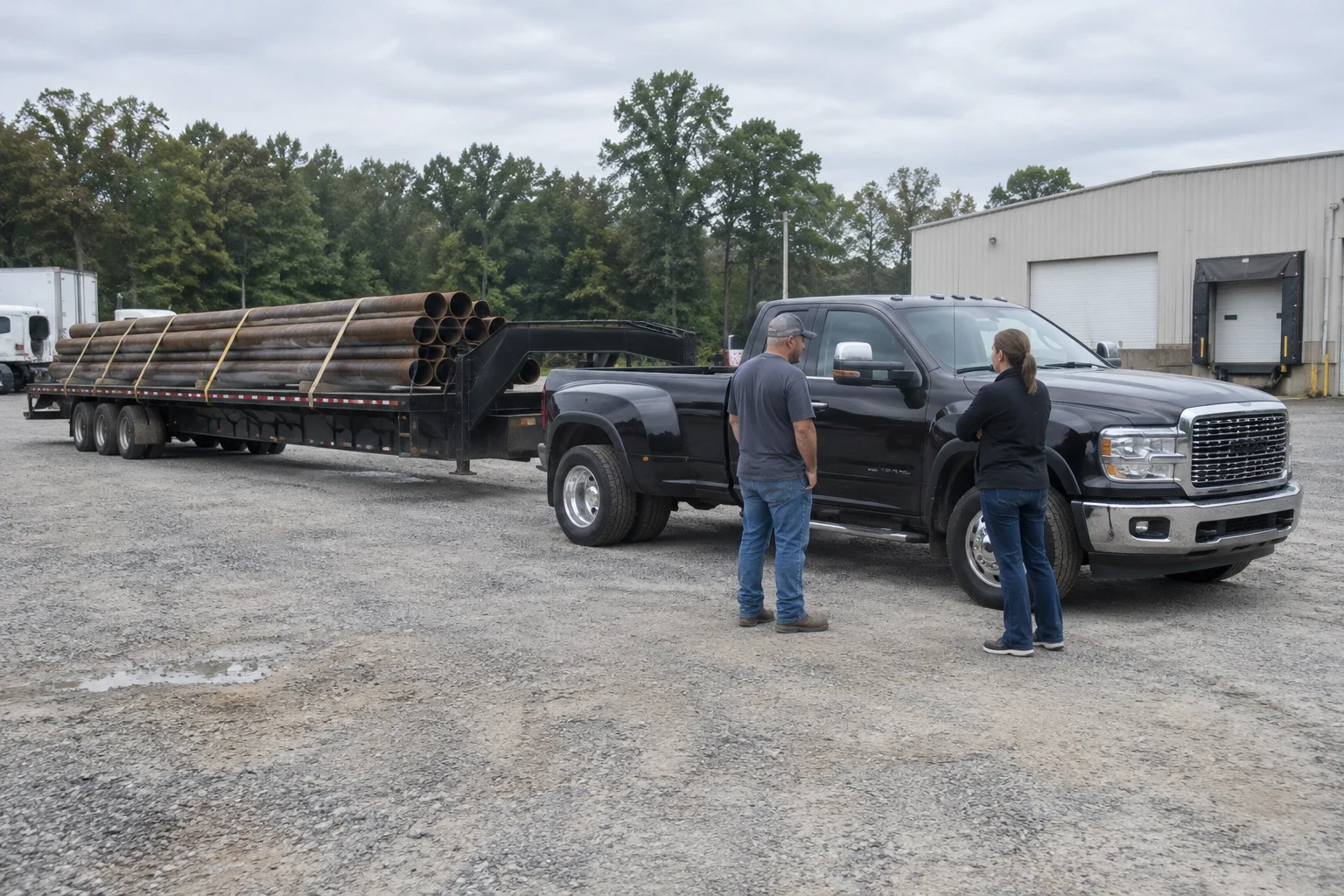
You run a heavy-duty pickup and a gooseneck or flatbed, and brokers want proof of coverage before you can book a load. We put together liability, cargo and physical damage that fit how you actually haul, then check back once you're rolling.
Coverage for the pickup, the trailer and the load
Hotshot work sits in an odd spot. The truck looks like something a contractor might drive, but once you're hauling for hire with a trailer behind it, you're a motor carrier with a DOT number, MC authority and the same filing requirements as a semi. A personal or light commercial auto policy won't cover that work, and brokers can tell from a certificate of insurance whether you have the right coverage.
We set up hotshot policies around three things: who you haul for, what sits on the deck, and how far you run. A driver pulling oilfield parts across several states needs a different setup than someone moving equipment between job sites around Decatur and Clarkston. After the policy is in place, we call to make sure your certificates went out clean and walk you through what keeps the coverage in good standing.
What goes into a hotshot policy we write
- Liability for the people and property around you
- If you hurt someone or damage their vehicle while running a load, this is the coverage that answers. It also backs your federal filing, so the limits must satisfy your authority and the brokers you book with.
- Cargo coverage for what's on the deck
- Hotshot freight tends to be machinery, steel or building materials. We set the cargo limit to the value you really carry and check the commodity exclusions against your usual loads.
- Physical damage on the pickup and trailer
- Collision and comprehensive for both units, listed at honest values. A gooseneck you just finished paying off gets its own line on the policy instead of a rough estimate.
- Filings and certificates handled for you
- We take care of the insurance filings connected to your DOT number and MC authority, and we send certificates of insurance to each broker and shipper you give us.
- Extras only when a contract calls for them
- Non-trucking liability, trailer interchange or a higher cargo limit can be added if your agreements require it. If you don't need one, we'll say so.
Signs your current coverage doesn't fit hotshot work
Paid loads on a personal auto policy
Personal policies usually leave out hauling for hire. A wreck on a paid load could leave the whole bill with you.
Brokers send your certificate back
When a broker turns it down, the usual reasons are cargo limits under their minimum, an excluded commodity, or their name missing as certificate holder.
New trailer or a second truck
Every unit you run has to be listed on the policy. Equipment that never made it onto the schedule can lead to a denied claim.
Different freight than before
Going from hay bales to heavy equipment or vehicles shifts your cargo risk. Your coverage should shift too.
What moves the price of hotshot insurance
Hotshot premiums vary widely from one operation to the next. We'll explain which of these factors weigh most on your quote so nothing on the bill comes as a surprise.
Time under your authority
New authorities usually pay more until they build a record. Prior experience as a company driver can help.
Driving record
Violations, accidents and years of CDL or commercial experience all affect your rate.
What you haul and how far
High-value or hard-to-secure loads raise cargo costs. Long interstate runs carry more exposure than a tight regional radius.
Equipment values and deductibles
A newer truck and trailer cost more to insure for physical damage. A higher deductible lowers your premium but raises what you pay after a claim.
How we set up your hotshot coverage
- 1
We learn how you run
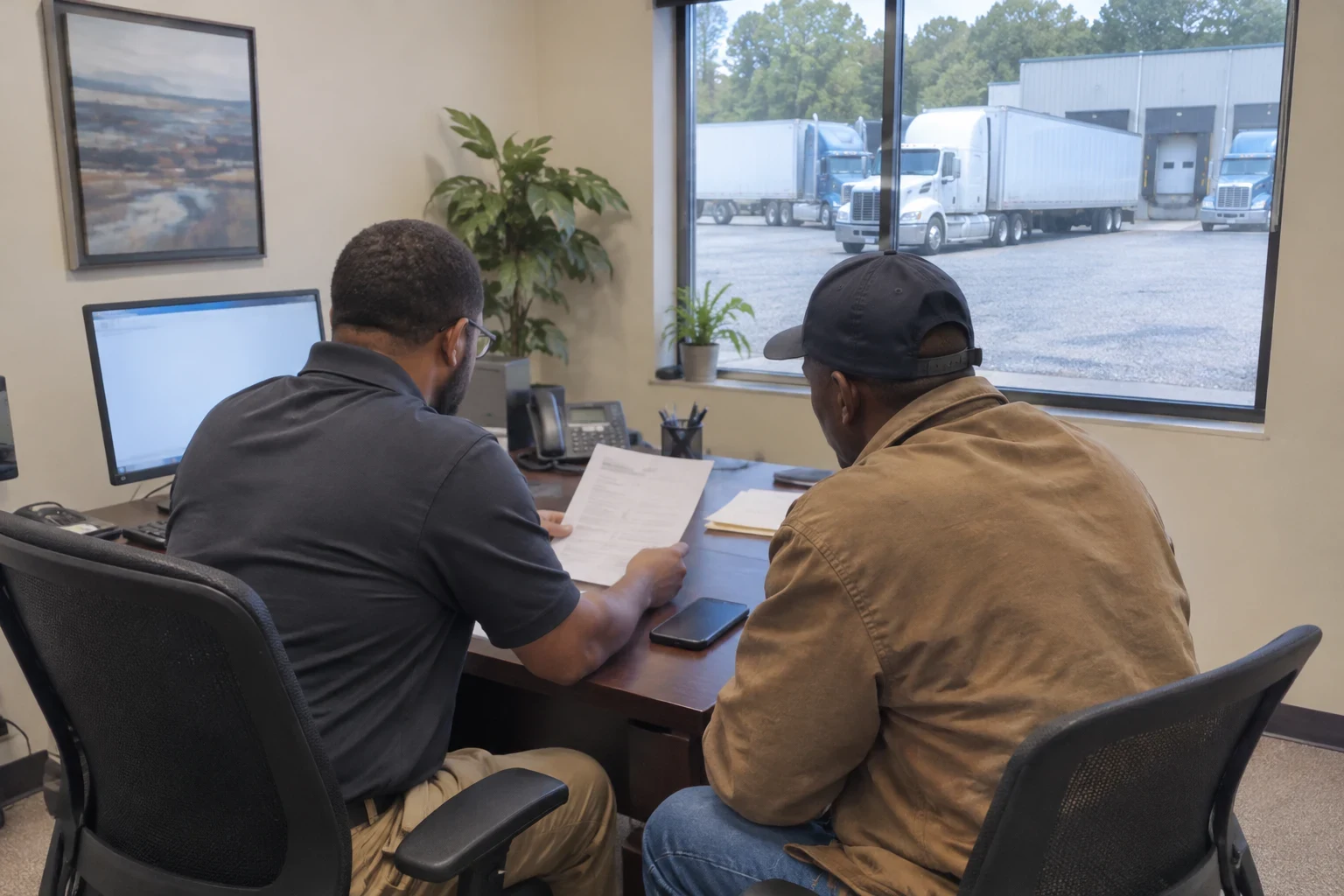
Talk with us at our office, over the phone or on a video call. We'll ask about the truck, the trailer, what you usually haul, how far you go and your driving history. Your DOT number and VINs make this step quicker.
- 2
Options you can compare
You'll see each quote next to the others, with deductibles and limits spelled out. Exclusions are pointed out up front, before you pick anything.
- 3
Coverage bound and filings sent
After you choose, we bind the policy, file your insurance with the right agencies and send certificates to your brokers. Then you're ready to start booking loads.
- 4
We call you back
After a few weeks on the road, we check in. We make sure your filings show active, answer anything that came up on early loads, and remind you what to tell us before adding equipment, switching load types or bringing on a driver.
Hotshot insurance questions
Do I need a DOT number for hotshot hauling?
In most cases, yes. A for-hire truck and trailer combination over the federal weight threshold needs a DOT number, and interstate for-hire work also needs MC authority. We can go over how your setup is classified when you call.
Can I get hotshot coverage with brand-new authority?
Yes. Fewer carriers write new authorities, and pricing is usually higher at the start. We shop the markets that accept new ventures and explain what helps your rate improve at renewal.
Will my certificate be accepted by load boards and brokers?
That depends on the limits and exclusions. Many brokers set their own minimums for cargo coverage. Tell us who you plan to work with, and we'll check their requirements before we bind.
What happens if I buy a new trailer mid-policy?
Call us before you haul with it. We'll add it to the schedule and update physical damage coverage. You'll get a revised certificate if a broker needs one.
Do you check in after the policy starts?
We do. We call after you've had a few weeks on the road to confirm filings are active and certificates are correct, and to go over any questions from your first loads.
Get your hotshot rig covered the right way
Tell us about your truck, trailer and the loads you want to run. We'll lay out your options and stay in touch after you're on the road.