ServicesPrimary Auto Liability
Primary Auto Liability Insurance in Decatur
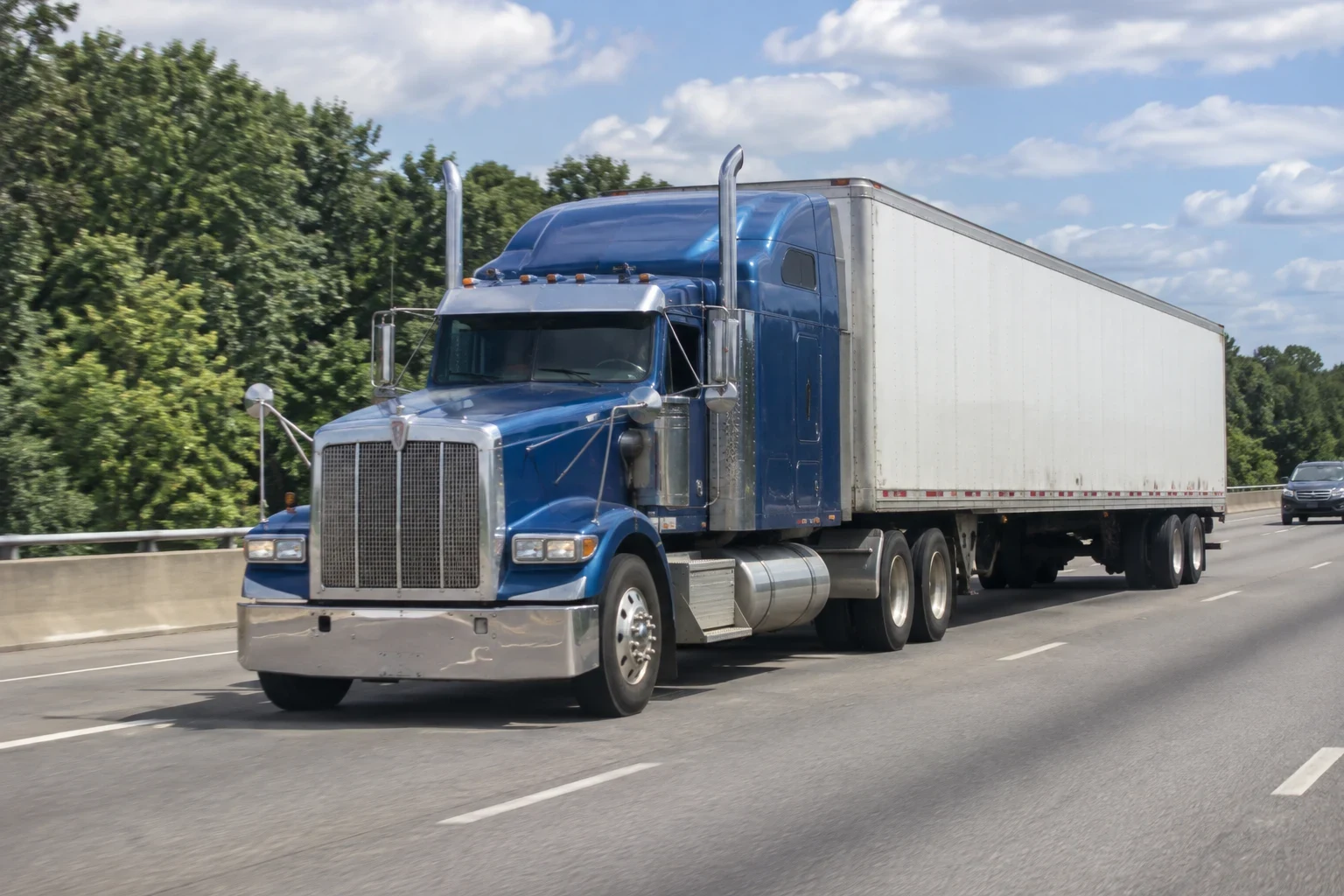
If your truck causes a wreck, primary liability pays for the other people's injuries and damage. It is also the coverage your MC authority depends on. We set it up, get your filings submitted, and check back after it starts so nothing slips.
What primary liability covers and who needs it
Primary auto liability is the foundation of a trucking policy. When your truck is at fault, it pays for other people's injuries and the damage to their property. It does not fix your own truck or cover the freight on board. For those, you need physical damage insurance and motor truck cargo insurance.
If you haul for hire across state lines, the FMCSA needs proof of this coverage before your authority can go live. Most brokers and shippers also want to see a certificate of insurance in hand before you pick up their freight. Georgia sets its own filing rules for carriers that run only within the state. We figure out which requirements apply to you and match the limit to your freight and your customers.
Writing the policy is the first step, not the last. Once it takes effect, we follow up to confirm your filings posted, your certificates are going out with the right details, and you know when to call us about a change.
What comes with your liability policy
- A limit that fits your loads
- The federal minimum you must carry depends on the freight, and plenty of brokers and shippers set their own higher bar. Before we suggest a limit, we review your commodities and any contracts you run under.
- Federal and state filings
- We set up the FMCSA filing and any Georgia filing your operation calls for, then check that it appears on your record. Coverage you paid for does little good if a filing never posts and your authority goes inactive.
- MCS-90 endorsement
- Interstate for-hire carriers must have this endorsement attached. We confirm it is on the policy and tell you in plain terms what it covers and where its limits are.
- Certificates of insurance
- Need a certificate for a broker or shipper? Give us a call and we issue it with the correct holder and details, so a load is not left waiting on paperwork.
- Adding drivers and units
- A new truck or driver means a policy change. We tell you what the insurance company will ask for, like a VIN or a driver's license and MVR, and get coverage confirmed before anything hits the road.
- A check-in after it starts
- A few weeks into the policy, we reach out to make sure everything posted correctly and to answer the questions that tend to show up once loads are moving.
Signs it is time to look at your liability coverage
You are applying for authority
Your MC authority will not activate until proof of liability coverage is filed. Getting this lined up early keeps your start date from slipping.
A broker asked for higher limits
Some loads and contracts require more than your current limit. We can tell you what raising it involves and how it affects your premium.
You got a notice about your filing
If the FMCSA or a broker says your insurance is not showing, act on it quickly. It may be a filing that never posted or a policy that lapsed.
Your operation changed
New commodities, a longer radius, or crossing state lines for the first time can all change what you need. A policy written for local hauling may not fit regional work.
Renewal is coming up
Renewal is a good time to review your limits, drivers and loss history with us instead of just signing the same policy again.
What moves the price of primary liability
Most of a liability premium comes down to how much risk your trucks carry on the road. Each insurance company weighs that risk its own way. When your quote comes back, we point out what is pushing it up so you can see which parts are in your control.
Who is behind the wheel
Underwriters look closely at commercial driving experience and each driver's MVR. One driver with fresh tickets or an accident can lift the premium on the entire policy.
Your track record as a carrier
A brand-new authority has no history yet, so the first policies tend to cost more. Once you have a few years of clean loss runs, more insurance companies will compete for your business.
Freight and radius
Hazmat, heavy or high-value loads and long-haul runs are priced higher than local general freight. How far from your base your trucks travel also counts.
Limit and power units
Each added truck and each step up in limit raises the premium. We aim for a limit that meets your contracts so you are not paying for coverage nobody asked for.
Garaging location
Where your trucks park at night affects the rate. Units based around Decatur and the Atlanta metro are rated differently than trucks garaged out in rural counties.
How getting your policy works
- 1
Tell us how you run
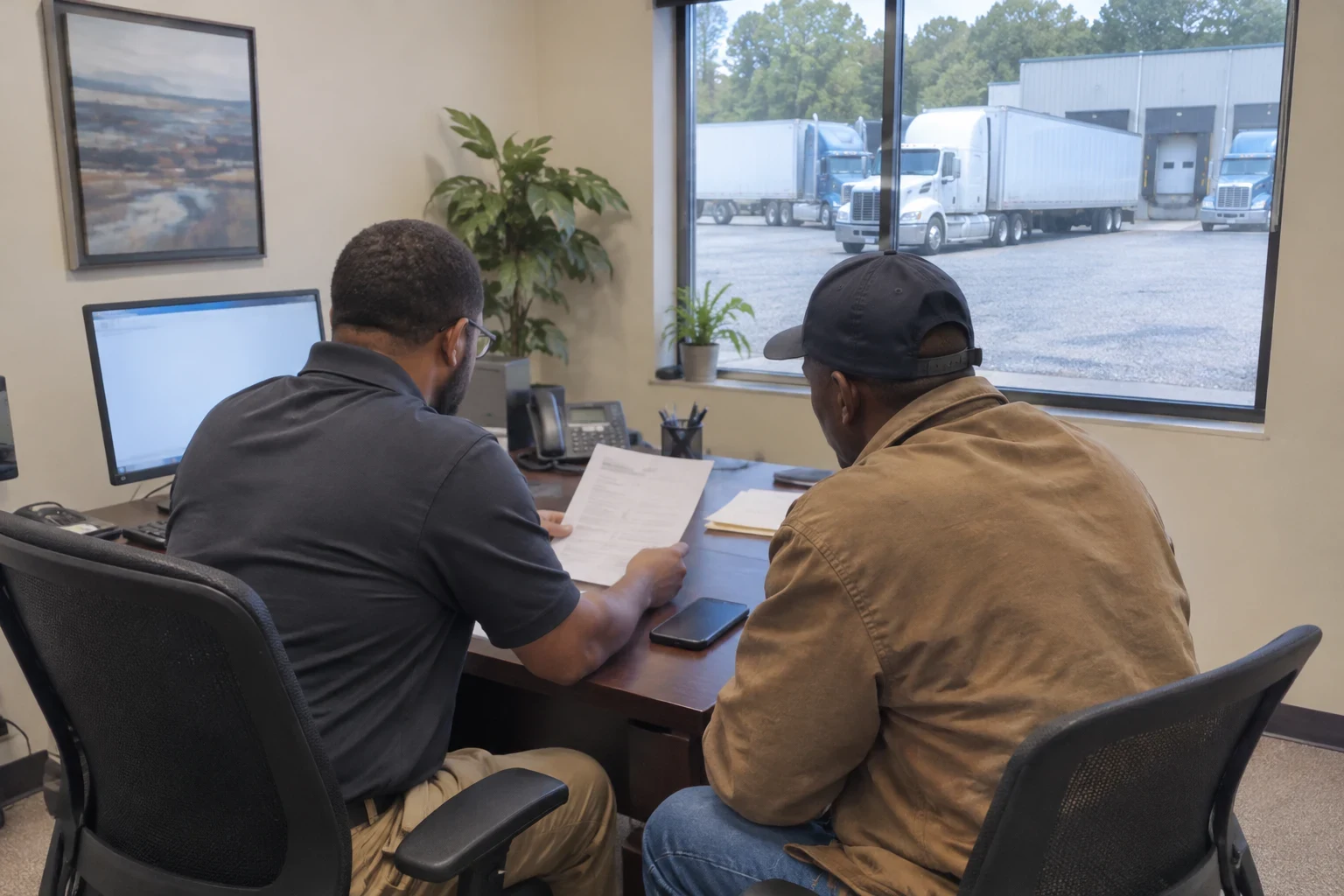
Reach us by phone, set up a video call, or stop by our office, and walk us through your trucks, drivers, freight and lanes. It helps to have your DOT number, your MC number if you have one, and driver information on hand.
- 2
Quotes explained side by side
We collect quotes and lay out how they differ: limits, any deductibles, exclusions and the premium on each. You pick the one that fits with everything in view.
- 3
Binding and filings
After you choose, we bind coverage, get your filings submitted and send out the certificates you need to start running loads.
- 4
We check back once it is active
We reach out to confirm your filings posted and your certificates are correct. We also go over how to keep the policy in good shape, such as adding new drivers before their first load and keeping payments current so a cancellation notice never goes out.
Questions about primary auto liability
Will primary liability pay to repair my own truck after a wreck?
No. This coverage is for the injuries and property damage your truck causes to other people. Repairs to your own rig fall under physical damage insurance, and the freight on board is handled by motor truck cargo insurance. We can quote all three at once so nothing falls in the gaps between them.
I am leased on with a motor carrier. Do I need my own primary liability?
Usually not. While you run under their dispatch, the carrier you are leased to normally provides primary liability. What you likely need is non-trucking liability, often called bobtail insurance, for the miles you drive off dispatch. Read through your lease, and we are happy to go over it with you.
How soon will my filing show up with the FMCSA?
Once the policy is bound, the insurance company submits the filing electronically. It often shows on your record within a few business days, though timing can vary. Checking that it posted is part of our follow-up, so you hear it from us before a broker brings it up.
What if I fall behind on a payment?
The insurance company may send a cancellation notice. If the policy actually cancels, your filing is pulled and your authority can be put at risk. When a month looks tight, call us before the due date so we can talk through options with the carrier early.
I just bought another truck. How do I get it on my policy before the term ends?
Call us with the VIN before that truck runs its first load, or with the license details if you are bringing on a new driver. The insurance company reviews the addition, and your premium is adjusted only for the months remaining in the term.
Get your liability coverage set up right
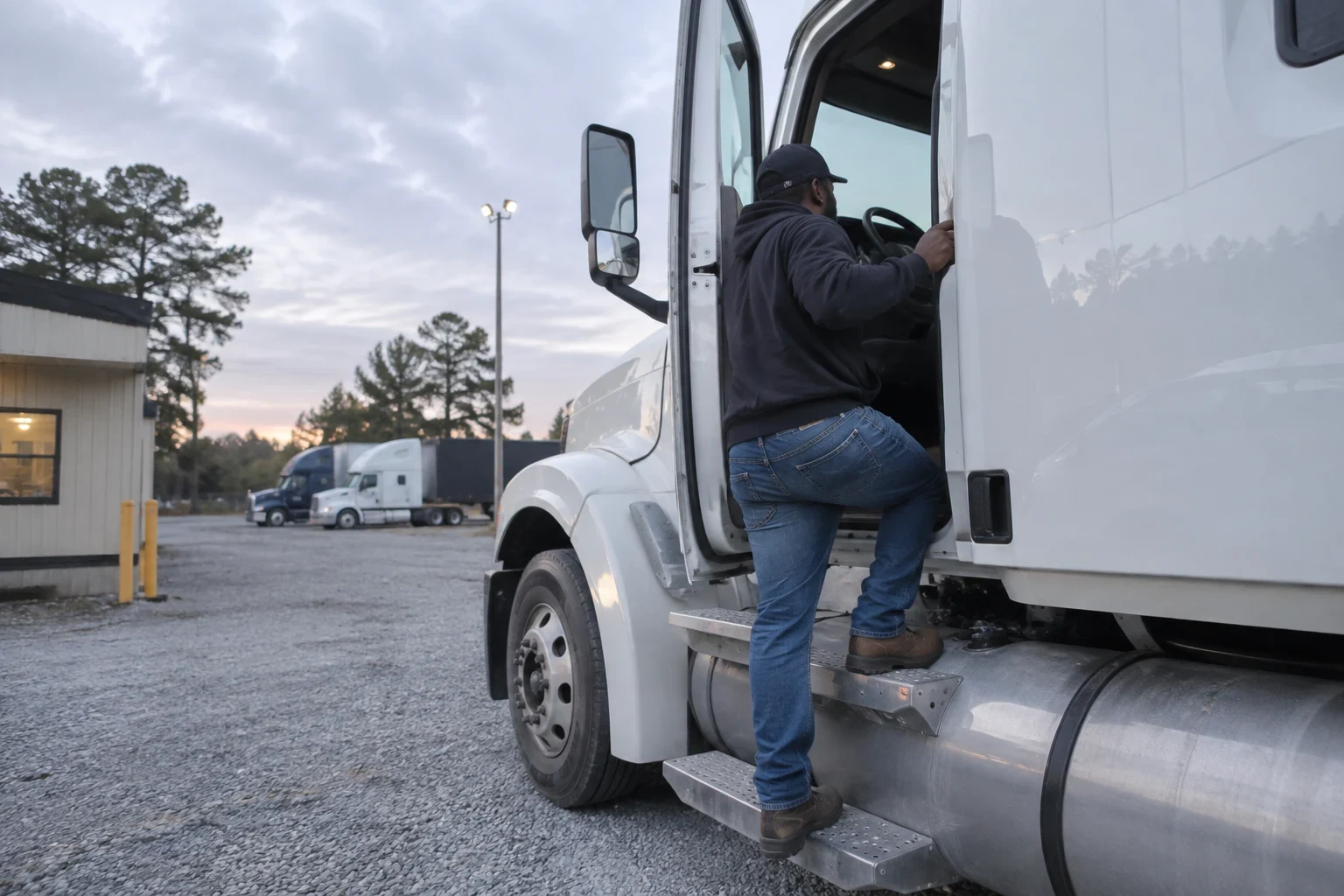
Tell us about your trucks and the freight you run, and we will explain your options and handle the filings. After the policy starts, we check back to make sure everything posted.