ServicesMotor Truck Cargo Insurance
Motor Truck Cargo Insurance in Decatur, GA
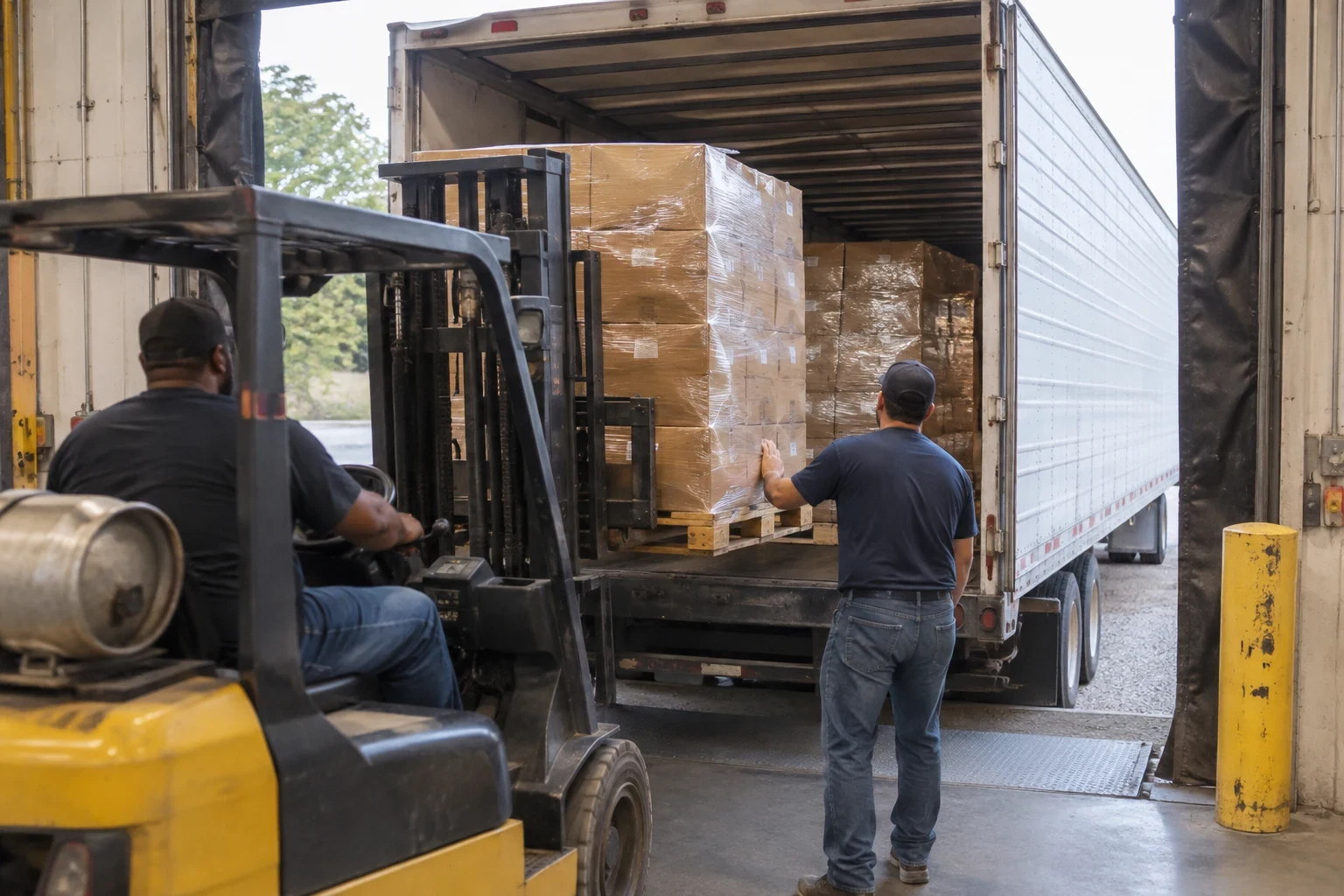
Cargo coverage pays for the freight on your truck when it is damaged, stolen or lost in a covered event. We match your limits and commodity list to what you actually haul, then check back after the policy starts so it keeps fitting as your loads change.
What cargo insurance does for your operation
Your liability policy protects other people. Cargo coverage protects the load itself, the freight a shipper trusted you to move. If a trailer overturns, a reefer load spoils after a covered breakdown, or a load is stolen from a covered location, this is the policy that answers the claim.
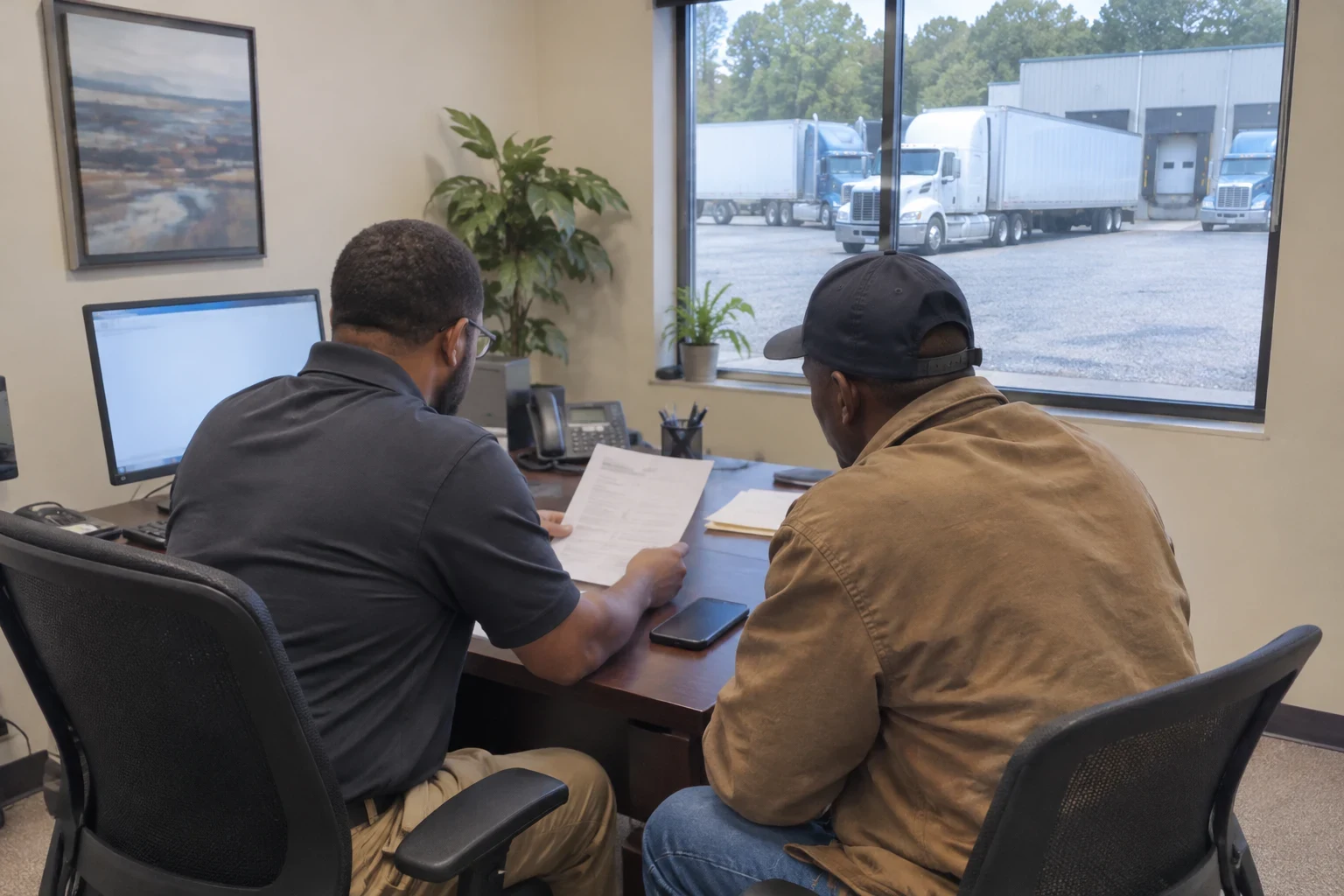
Before a broker books you, they will want proof on paper: a certificate of insurance listing cargo limits at or above what their contract calls for. A policy that looks fine at a glance can still fail you if it excludes the commodity you are hauling or the way you park overnight. We read those details with you before you sign.
Owner-operators and small fleets around Decatur often change lanes and freight types over a year. That is why we call back after the policy is in place, and again when your work shifts, so a new customer's load does not land on a policy written for last year's freight.
What we set up with your cargo policy
Limits sized to your broker agreements
Bring the agreements you hold now and any you are chasing. We set limits that clear what those brokers and shippers ask for, so you are not paying for coverage well beyond what the work calls for.
A commodity list written for your freight
Many cargo policies cover only the commodities named on them. We go through everything you haul, from building materials to packaged food, and point out anything an insurer treats as high-value or leaves out.
Reefer breakdown coverage when you need it
Temperature-controlled freight usually calls for a separate refrigeration breakdown endorsement. If you run a reefer, we confirm it is on the policy and explain the conditions that come with it.
Proof of coverage, sent where it needs to go
Most brokers want to be named as certificate holder before they dispatch you. Pass along their details and we get the certificate issued and delivered, so the load stays on your schedule.
A plain-language walkthrough of exclusions
Unattended vehicle rules, theft conditions and driver requirements are where cargo claims most often fall apart. We show you each one in your policy and explain what it means out on the road.
Signs your cargo coverage needs a look
- A broker rejected your paperwork
- If you were told your limits are too low or a commodity is missing, the current policy is already costing you freight.
- You started hauling something new
- A move from dry van general freight to electronics, metals or refrigerated food may fall outside your listed commodities. Check before the first load, not after a claim.
- You park loaded trucks overnight
- Some policies restrict theft coverage for unattended trucks or call for specific security. If you drop loaded trailers or leave them at your own lot between runs, the wording matters.
- You added a truck or a driver
- New units and new drivers often need to be scheduled on the policy. A truck or driver left off the list can leave a load without coverage.
- You're not sure what a claim would cost you
- If you can't say how much comes out of your own pocket before the policy pays, a short phone call with us clears that up.
How getting cargo coverage works with us
- 1
Start with your freight
Tell us what you haul, the lanes you run, the equipment you use and what your brokers ask for. We can talk over the phone, on a video call or at our office. Your DOT number and MC authority help if you already have them.
- 2
Quotes compared side by side
We collect quotes and line up how they differ on limits, deductibles, commodity lists and exclusions, so you are weighing the coverage itself and not only the premium.
- 3
Binding and paperwork
Once you pick a policy, we put it in force and send a certificate of insurance to every broker and shipper on your list.
- 4
We check back after you are running
A few weeks after the start date, we reach out to see how the coverage is holding up with your real loads. We go over how to keep it current, such as letting us know before a new commodity or an added truck, and we stay a phone call away when a broker needs another certificate.
What drives your cargo premium
Insurers price cargo coverage around two things: the freight itself and how large a loss they could face on a single load. We won't toss out a number before we understand your operation. These are the factors they weigh.
- Commodities you haul
- Freight that thieves want, that breaks easily or that costs a lot to replace is more expensive to cover. A load of gravel or lumber is priced very differently from a trailer of electronics or pharmaceuticals.
- Limit and deductible
- A higher limit means a higher premium. Taking on a larger deductible can lower it, so choose an amount you could pay during a slow week without strain.
- Equipment and reefer needs
- Refrigerated units bring breakdown risk, and the age and type of your trailers can also shift the rate.
- Claims history and time in business
- Earlier cargo claims and how long your authority has been active both influence what insurers will offer. Newer carriers can still get covered, though the choices may be narrower at first.
- Where you run
- Your radius and regular lanes count, since certain routes and big metro areas see more cargo theft.
Cargo insurance questions we hear often
- Is cargo insurance required by law?
- Carriers hauling general freight usually aren't held to a federal cargo coverage mandate. Brokers and shippers are another matter, since nearly all of them want it in place before they hand you a load. That makes it a working requirement for most operations, even where no regulation spells it out.
- Does cargo coverage pay for damage to my truck?
- No. Cargo coverage only answers for the freight. Damage to your own truck or trailer is handled by physical damage insurance, and harm you cause to other people or their property is handled by primary auto liability insurance. We're glad to look at all three with you at once.
- What happens if I haul something not on my commodity list?
- A claim on that load could be cut down or turned away, depending on the policy wording. It's the gap we run into most. Give us a call before you book a new kind of freight and we'll tell you whether it's already covered or needs to be added.
- Can I get cargo coverage with a brand new MC authority?
- Yes. Plenty of insurers write cargo for carriers that are just starting. Expect fewer options and firmer pricing in the first year or two. Our New Authority Truck Insurance page walks through what the early stretch usually looks like.
- How do I get a certificate to a new broker?
- Once your policy is active, we can issue a certificate whenever a broker asks. Just phone us with the broker's name and contact information and we handle the rest. There's no need to track down the insurer on your own.
Get cargo coverage that fits the loads you actually haul
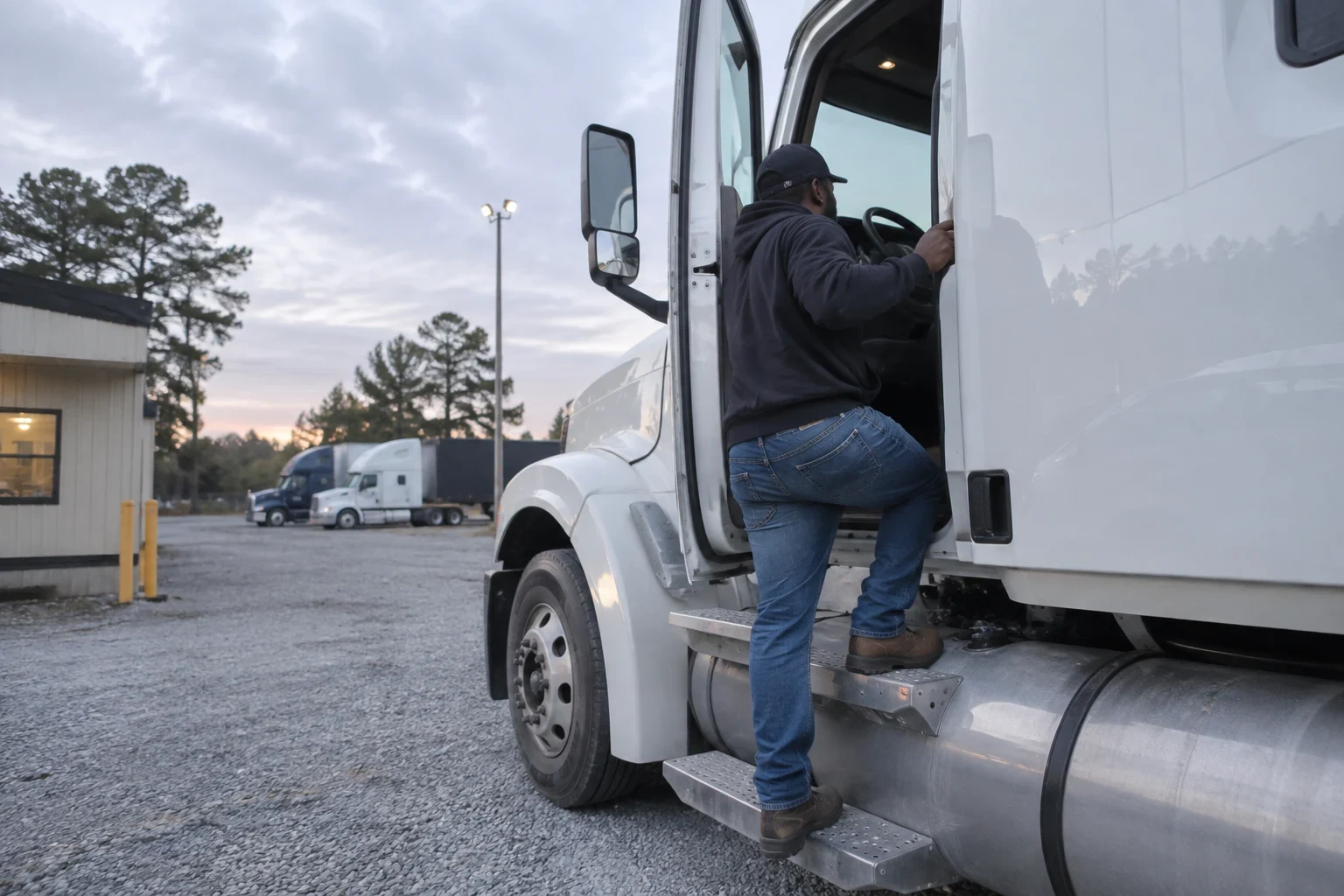
Tell us what is on your trailer and who you haul for. We will walk you through the options, set up your certificates and check back once you are rolling.